Search

Proximity
Camp Session
Displaying 61 - 90 of 1258
Displaying 1 - 1258 of 1258

Webinar - Enhancing Physical Activity Participation with Patrick Jachyra & Bri Redquest

In this webinar, we will review the health, social and behavioural benefits of physical activity for people with autism, and also highlight the importance of activity during the COVID-19 pandemic. Throughout the webinar, we will provide tips and tangible ideas for individuals on the spectrum as well as parents, caregivers, and community partners on how to enhance physical activity participation.

Presenters: Patrick Jachyra, PhD & Bri Redquest, PhD
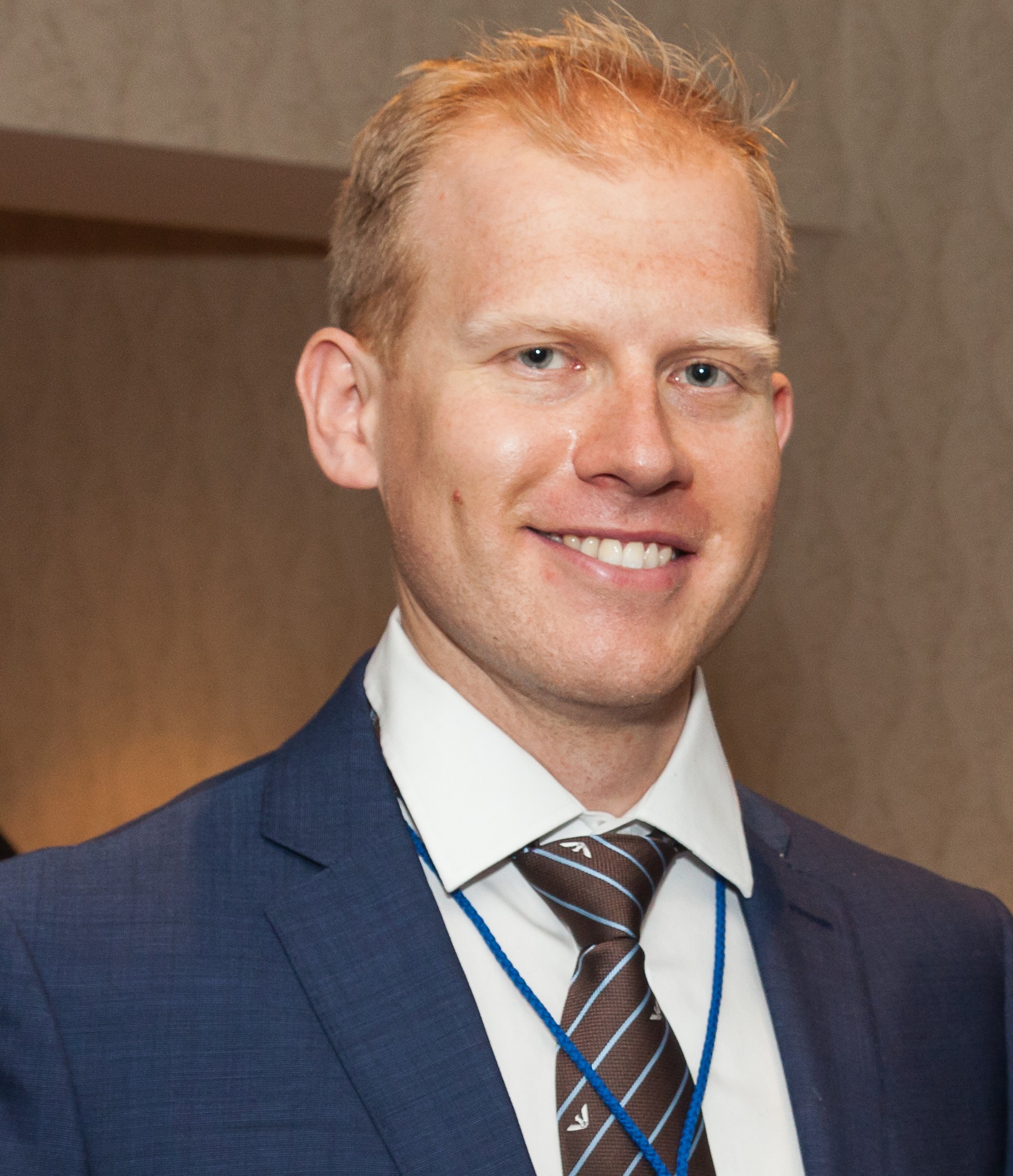
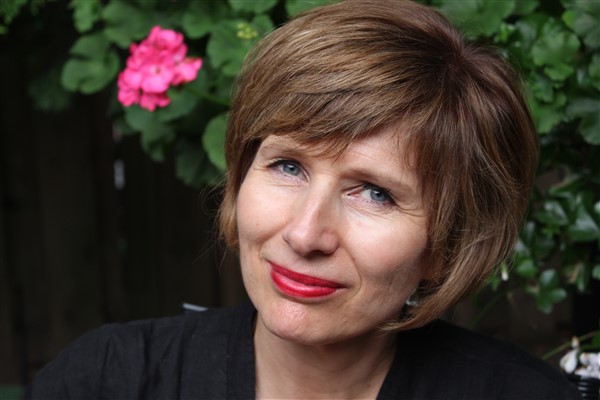
Patrick Jachyra photo

Patrick Jachyra, PhD, is a post-doctoral fellow at the Azrieli Adult Neurodevelopmental Centre at the Centre for Addiction and Mental Health. His research examines how physical activity impacts the health of individuals with developmental disabilities across the lifespan. In the community, Patrick is the founder and former director of the Extraordinary Youth Council Program, a community recreation program for youth and young adults with developmental disabilities. Patrick’s work in the community has been recognized by numerous awards including the prestigious University of Toronto Awards of Excellence.
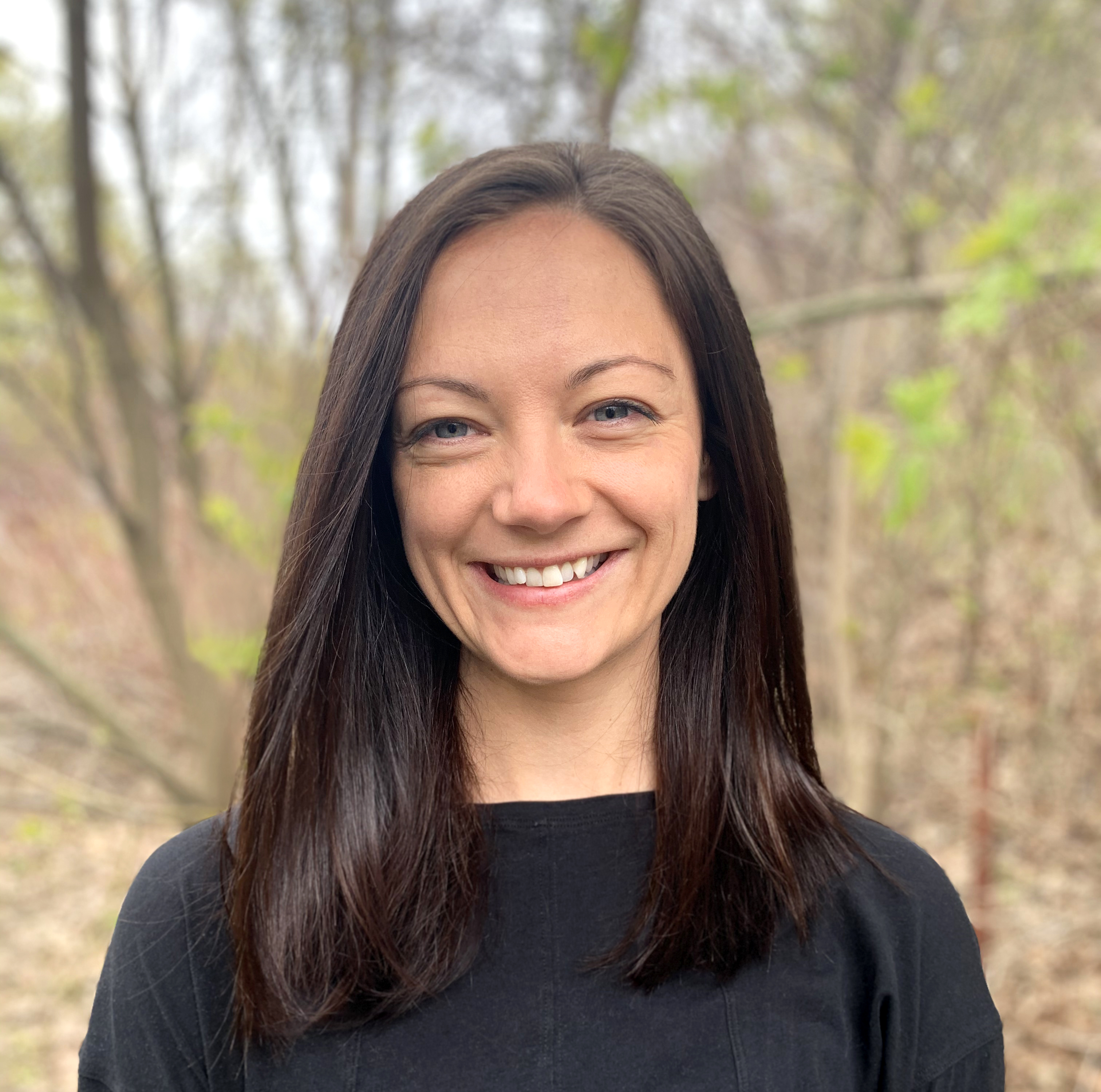
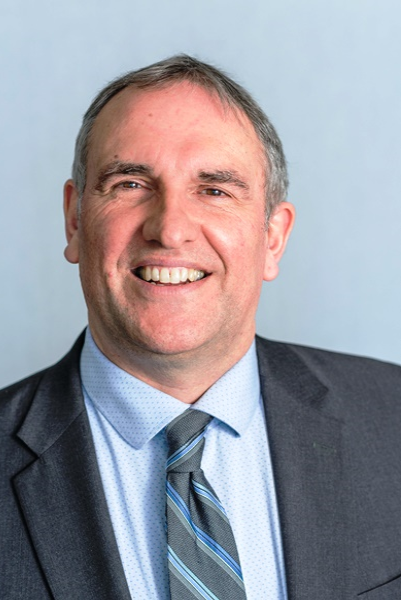
Bri Redquest photo

Bri Redquest, PhD, is a post-doctoral fellow for the Azrieli Adult Neurodevelopmental Centre at the Centre for Addiction and Mental Health. She has a strong interest in participatory research in the area of physical and mental health promotion for people with developmental disabilities, as well as their family members. 
Webinaire - Comment encourager l’activité physique avec Patrick Jachyra & Bri Redquest (en anglais)

Ce webinaire passera en revue les retombées positives, sur le plan sanitaire, social et comportemental, de l’activité physique pour les personnes autistes, en soulignant l’importance d’une telle activité pendant la pandémie de COVID-19. Tout au long du webinaire, nous formulerons aux personnes autistes, à leurs parents, aux aidants et aux partenaires du milieu des conseils et des suggestions concrètes sur la façon d’encourager l’activité physique. À noter : ce webinaire sera animé en anglais.

Animateurs : Patrick Jachyra, Ph.D. et Bri Redquest, Ph.D.

Patrick Jachyra photo

Patrick Jachyra, Ph.D., est boursier postdoctoral au Azrieli Adult Neurodevelopmental du Centre de toxicomanie et de santé mentale (CAMH). Ses recherches ont trait à l’incidence de l’activité physique sur la santé des personnes ayant un trouble de développement, tout au long de leur vie. Dans sa communauté, Patrick est le fondateur et un ex-administrateur du Extraordinary Youth Council Program, un programme de loisirs communautaires pour les adolescents et les jeunes adultes ayant un trouble de développement. L’implication communautaire de Patrick lui a valu de nombreuses récompenses, dont un prestigieux Prix d’excellence de l’Université de Toronto.

Bri Redquest photo

Bri Redquest, Ph.D., est boursière postdoctorale au Azrieli Adult Neurodevelopmental du Centre de toxicomanie et de santé mentale (CAMH). Elle mène des recherches participatives visant à promouvoir la santé physique et mentale chez les personnes ayant un trouble de développement et les membres de leur famille.

Webinar - Let's Get Moving: Ideas to Get off the Couch During Covid 19 with Ellen Yack

This webinar will provide recommendations regarding movement activities that are can be done when restricted at home or when there is limited access to outdoor space.  Recommendations will be offered for all ages and specific equipment options will be reviewed.

Presenter : Ellen Yack, M.Ed, OT Reg. (Ont.)

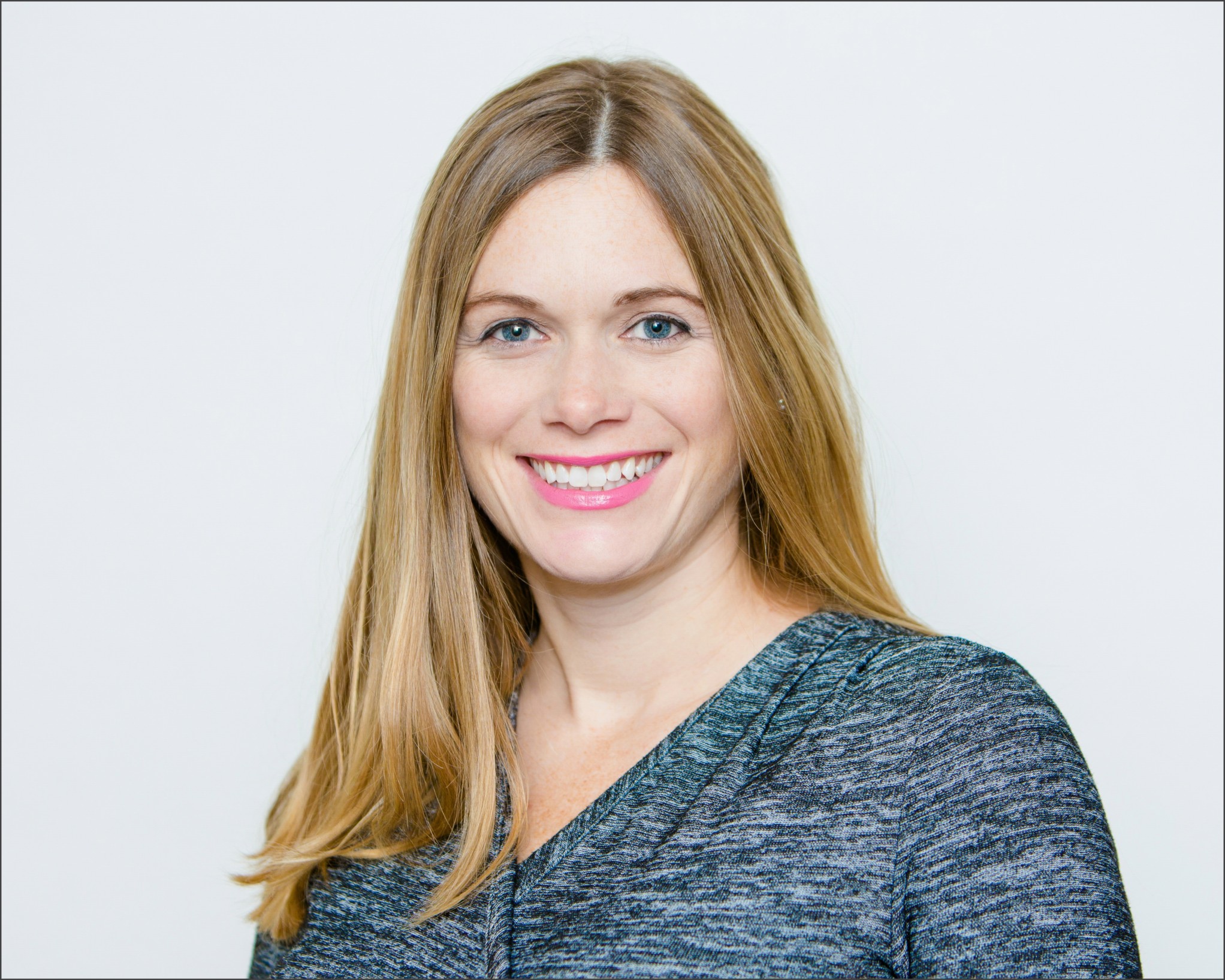
Ellen Yack

Ellen Yack has practiced as an occupational therapist since 1979 and has a Masters’ Degree in Education.  She is recognized for her expertise in the treatment of autism spectrum, sensory processing and self-regulation disorders.  Ellen’s other areas of expertise include developmental coordination disorder, praxis disorders, global developmental delay, attention deficit disorders and learning disabilities.    Ellen’s experience working with children and adults with ASD includes assessment and treatment services offered at her private clinic and consultation and training services that were provided to the Geneva Centre for Autism for over 10 years. Ellen currently provides consultation to the Autism Support Team at the Toronto District Catholic School Board and to a variety of ABA programs and Mental Health agencies.

Webinaire -Faut que ça bouge! : Des idées pour quitter son fauteuil durant la pandémie avec Ellen Yack (en anglais)

Ce webinaire suggérera des activités de mouvement aux personnes confinées à la maison ou ayant un accès limité à l'extérieur. Il y aura des recommandations pour tous les groupes d’âge, et diverses options d'équipement seront abordées. À noter : Ce webinaire sera animé en anglais.

Animateur : Ellen Yack, M.Ed, OT Reg. (Ont.),

Ellen Yack

Ellen Yack exerce la profession d’ergothérapeute depuis 1979 et détient une maîtrise en éducation. Elle possède une expertise reconnue dans le traitement des troubles du spectre de l'autisme, de traitement sensoriel et d'autorégulation. Autres champs d'expertise : trouble développemental de la coordination, troubles de la praxie, retard global du développement, troubles déficitaires de l'attention et troubles d'apprentissage. Elle cumule une longue expérience du travail auprès des enfants et des adultes autistes; outre les services d’évaluation et de traitement offerts dans sa clinique privée, elle a fourni pendant plus d’une dizaine d’années des services de consultation et de formation au Geneva Centre for Autism. Elle est actuellement consultante auprès de l'équipe de soutien en autisme du Toronto District Catholic School Board et de divers programmes d'ACA et organismes de santé mentale.

Webinaire - Comment rester calme quand rien ne va plus? avec Catherine Dejardins (en français)

Nous aspirons tous à garder notre sang froid quand notre garçon fait une crise dans un centre commercial, quand le service de garde nous appelle encore pour se plaindre du comportement de notre fille ou lorsque qu’on est prisonnier dans un bouchon de circulation alors que nous sommes déjà en retard pour le rendez-vous avec le spécialiste. Quel est l’état d’esprit nécessaire pour répondre habilement à la situation sans trouver automatiquement refuge dans colère, en consommant une rangée de biscuits au chocolat ou en enfilant un double martini?

Depuis qu’une abondante littérature scientifique ait révélé les nombreux bienfaits de la pleine conscience et de la méditation, cette pratique longtemps réservée aux studios de yoga et aux retraites spirituelles se répand partout, incluant le domaine des relations parents-enfants.  

Il serait difficile d’ignorer les impacts positifs de cette pratique. On parle ici de l’auto-régulation des émotions, de la prévention et la gestion des symptômes reliés au stress chronique et de l’augmentation de la flexibilité psychologique et de la résilience.

Les objectifs de ce webinaire sont de définir ce qu’est la pleine conscience et la méditation, pourquoi et comment l’entrainement à cette pratique peut nous aider dans notre rôle de parent et comment la pratiquer et l’intégrer à notre quotidien.

Conférenciers(ères) : Catherine Desjardins, psychologue clinicienne

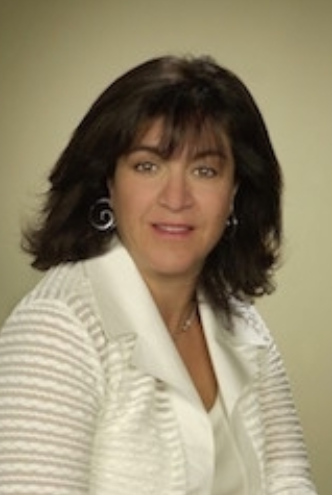
Catherine Desjardins

Catherine Desjardins est psychologue clinicienne depuis 1989. Elle travaille présentement en pratique privée. Elle se spécialise dans l’intervention auprès d’adultes qui traversent des épisodes de vie où la dépression, l’anxiété, et les enjeux familiaux, relationnels ou professionnels, compromettent leur équilibre et leur bien-être. Depuis les 10 dernières années, elle donne des ateliers et des conférences sur la prévention et la gestion du stress chronique, de l’épuisement professionnel et de la fatigue de compassion. Elle poursuit actuellement une formation de deux ans, offerte par une école américaine de renommée internationale, visant son accréditation comme professeur de pleine conscience et de méditation.

Webinar - ONTABA Professional Series - Legal and Professional Issues to Consider when Providing and Receiving Telehealth Services with Richard Steinecke

ONTABA professional webinar series: Providing services remotely during the pandemic is growing exponentially in popularity. However, it also raises special legal and professional issues that practitioners, and recipients of behavioural services and their families/caregivers should consider. Both new and experienced participants in remote behavioural service sessions will benefit from this systemic yet practical presentation of recurring issues. This session covers such important topics as:

  • establishing the therapeutic relationship
  • determining the location (and thus rules) of service
  • informed consent,
  • privacy
  • record keeping
  • maintaining standards of practice
  • fees and billing and more.

Additional sessions in this series:

1.  Employment & Human Resources Issues During COVID-19 with Natasha Danson

2. Employment & Human Resources Issues During COVID with Kendra Thomson & Nancy Marchese

Speaker: Richard Steinecke

Richard S

Richard Steinecke practises law exclusively in the area of professional regulation. He is the editor of the widely read Grey Areas newsletter commenting on recent developments in professional regulation. Because of its comprehensive nature, courts and tribunals have cited his book “A Complete Guide to the Regulated Health Professions Act” dozens of times, even in cases dealing with non-health professions. The book is updated twice a year. Today he spends most of his professional life teaching, writing, speaking, training and consulting on professional regulation issues. A life-long learner, Richard reads every Canadian common law court decision on professional regulation he can find and has a Certificate in Risk Management from the University of Toronto. In 2015 he received the Regulatory Excellence award from the Council on Licensure, Enforcement and Regulation (CLEAR) and in 2019 he received the Tom Marshall Award of Excellence for the Public Sector from the Ontario Bar Association. Richard is counsel to Steinecke Maciura LeBlanc.


Developing Leisure Activities for Individuals with ASD

Leisure activities are an important part of life for everyone. Engaging in activities that are fun, enjoyable and interesting increases a person’s well-being, happiness and satisfaction in life. Leisure activities can be done alone or in a group, at home or out in the community. We learn activities by watching others, taking lessons, joining clubs, reading instructions, or simply by trying.
For people with ASD, developing leisure interests and skills can be more challenging because skills are often not learned through informal observation of others or through imitation. Their interests are developed in their own way. How to use materials may not be understood and the materials may primarily used for their sensory qualities. Skills learned through one activity may not be generalized to another.

Sexual Education

The Sexual Profile

There is remarkably little research and clinical knowledge on the sexual understanding and profile of adults with Autism Spectrum Disorder (ASD). One hundred thirty-one subjects living in Canada, Australia, France, Denmark and the United States completed the Derogatis Sexual Functioning Inventory (DSFI; Derogatis and Melisaratos, 1982). The DSFI examines a range of aspects related to sexuality including knowledge and experience, desire, attitudes, affect, role, fantasies, body image and general sexual satisfaction. It provides a comprehensive assessment of behavior and attitudes relevant to sexuality.

L’éducation sexuelle

Le profil sexuel
Il existe très peu de recherches et de connaissances cliniques sur le profil sexuel des adultes qui vivent avec un trouble du spectre autistique (TSA). Cent trente et un adultes provenant du Canada, de l’Australie, des États Unis, du Danemark et de la France ont complété le Derogatis Sexual Functioning Inventory (DSFI; Derogatis et Melisaratos, 1982). Le DSFI sert à examiner divers aspects liés à la sexualité, y compris la connaissance et l’expérience, le désir, les attitudes, l’affect, le rôle, les fantasmes, l’image corporelle et la satisfaction sexuelle en général. Il permet d’obtenir une évaluation globale du comportement et des attitudes en matière de sexualité.

Cognitive Behaviour Therapy and Anxiety

What is this research about?
Many children with Autism Spectrum Disorders (ASD) have problems with anxiety. Past research suggests that cognitive behavioural therapy (CBT) may help lessen anxiety in children with ASD. This type of therapy teaches children ways of thinking and behaving that help them cope with, face, and reduce their anxieties (e.g., how to recognize what they are feeling, ways to think about their problems differently). CBT is the most scientifically supported talk therapy treatment for anxiety in children. However, because children with ASD have problems with social skills, communication and behaviour, the effectiveness of traditional CBT can be limited. This research is one of the first studies to assess how effective CBT can be when adapted specifically for children with ASD.

Autism Ontario Survey Recommends Increased School-Based Supports for Children with Autism Ahead of Return to School

FOR IMMEDIATE RELEASE Toronto, Ontario, July 30, 2020 Autism Ontario Survey Recommends Increased School-Based Supports for Children with Autism Ahead of Return to School Autism Ontario Survey Recommends Increased School-Based Supports for Children with Autism Ahead of Return to School Download the PDF. Autism Ontario has released the results of a survey of 2,400 Ontario parents and caregivers of children on the spectrum regarding their experiences during the school closure period and their concerns regarding a return to school in the fall. Primary among the report’s recommendations was a call

Un sondage d’Autisme Ontario recommande une augmentation des soutiens en milieu scolaire pour les enfants autistes en prévision de la rentrée

POUR DIFFUSION IMMÉDIATE Toronto (Ontario), le 30 juillet 2020 Un sondage d’Autisme Ontario recommande une augmentation des soutiens en milieu scolaire pour les enfants autistes en prévision de la rentrée Un sondage d’Autisme Ontario recommande une augmentation des soutiens en milieu scolaire pour les enfants autistes en prévision de la rentrée Télécharger le PDF. Autisme Ontario a publié les résultats d’un sondage mené auprès de 2 400 parents et aidants d’enfants autistes ontariens, portant sur les expériences vécues durant la période de fermeture des écoles et sur leurs inquiétudes entourant
Angèle Paquette

Service Navigation in Northern Ontario During COVID-19

~ 3 minute read These are very strange and trying times indeed! As one of the Autism Ontario Service Navigators working in North, we usually come across unique challenges and obstacles as we try to reach families to offer support, and provide information and resources. The main obstacles are a lack of local resources and service providers, and long distances (some as long as eight hours!) between towns/cities; to get to the James Bay coastal communities, for instance, you have to take a train or plane! COVID-19 social distancing has brought about new challenges, but it has also helped us gain
Angèle Paquette

La navigation des services dans le Nord de l’Ontario au temps de la COVID-19

3 minutes de lecture Cette situation est certainement étrange et éprouvante! En tant que l’une des prestataires des services de navigation d’Autisme Ontario travaillant dans le Nord, nous sommes souvent mis à l’épreuve et rencontrons des obstacles particuliers en tentant de rejoindre les familles pour leur offrir du soutien, des renseignements et des ressources. Le manque de ressources locales et de fournisseurs de services est le principal obstacle que nous rencontrons, ainsi que les longues distances à parcourir entre les villes (parfois jusqu’à huit heures!). Par exemple, il faut prendre un

Readiness for the Safe Return to School: Findings from the 2020 Autism Ontario Education Survey

In its 2020 survey, Readiness for the Safe and Successful Return to School, Autism Ontario gathered information from parents or caregivers of Ontario children and youth on the autism spectrum in the education system regarding:

  • Their experiences of the COVID-19 school closure earlier this spring, and
  • Their concerns and perspectives for the return to school in the context of COVID-19 this fall.


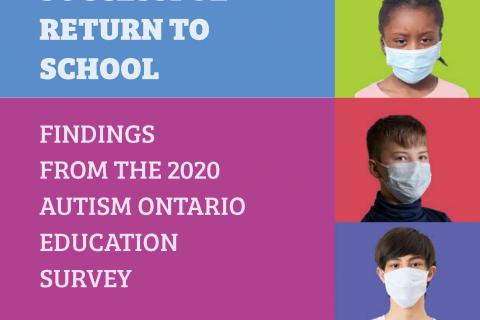
Cover page of the report: "Readiness for the Safe and Successful Return to School - Findings from the 2020 Autism Ontario Education Survey


Préparation à une rentrée scolaire réussie et sécuritaire : Constats du sondage 2020 d'Autisme Ontario sur l'éducation

Dans son sondage de 2020 Préparation à une rentrée scolaire réussie et sécuritaire, Autisme Ontario a
consulté les parents ou aidants naturels d’enfants et d’adolescents autistes ontariens inscrits dans le système
scolaire de la province, sur les sujets suivants :

  • Leurs expériences vécues lors de la fermeture des écoles causée par la COVID-19 au printemps dernier;
  • Leurs préoccupations et leurs opinions en vue de la rentrée scolaire de l’automne, dans le contexte de la COVID-19.
CONSTATS DU SONDAGE 2020 D’AUTISME ONTARIO SUR L’ÉDUCATION

Webinar - Employment Readiness 1/5 - Resiliency in Job Searching with Sarah Southey

Join Sarah Southey MSW, RSW for a webinar aimed at understanding job searching during a recession. She will explore how to help you stay focused, efficient and not get overwhelmed during this challenging time. Discussion on how to maintain routine and keep working towards your goals will be explored. Self-care strategies and tips for building experience while our world is in a state of crisis will be covered. 

Other sessions in this series:

Presenter: Sarah Southey, M.S.W

Sarah Southey

Sarah is a Social Worker (M.S.W.), and is an affiliate of The Redpath Centre. She see’s clients in Mississauga, Toronto and virtually. She has over 12 years of experience working with adolescents and adults with ASD, ADHD, learning disabilities and mental health issues. Sarah focuses her counselling and research on helping people with ASD find and keep meaningful employment. Sarah uses solution-focused and cognitive behavioural therapy techniques in her sessions.

Webinaire - Préparation à l’emploi 1/5 - Résilience et prospection d'emploi durant la crise de la COVID-19 avec Sarah Southey (en anglais)

Joignez-vous à Sarah Southey, titulaire d’une maîtrise en travail social et travailleuse sociale inscrite, pour un webinaire portant sur la recherche d'emploi en période de récession. Elle vous expliquera comment garder le cap, demeurer efficace et éviter de vous sentir débordé pendant ce moment difficile. Vous apprendrez comment maintenir la routine et continuer à cheminer vers vos objectifs. Sarah vous présentera également des stratégies d'autosoins et des conseils pour élargir votre expérience pendant que le monde est en crise.

Autres webinaires dans cette série : 

Animateur : Sarah Southey M.S.S.

Sarah Southey

Travailleuse sociale (M.S.S.) affiliée au Redpath Centre, Sarah voit des clients à Mississauga, à Toronto et en consultation virtuelle. Elle a plus de douze années d'expérience pratique auprès avec des adolescents et des adultes ayant un TSA, un TDAH, des troubles d'apprentissage ou des problèmes de santé mentale. Dans ses activités de counselling et de recherche, elle souhaite tout d’abord aider les personnes autistes à trouver et à conserver un emploi intéressant. Ses séances de consultation font appel à des techniques de thérapie cognitivo-comportementale et sont axées sur les solutions.

Autisme Matters –Édition de l’hiver 2020

Conformément à notre engagement à continuer de vous servir pendant l’épidémie de COVID-19, nous avons décidé, en plus d'envoyer à nos membres comme à l’habitude le plus récent numéro de notre magazine trimestriel, d’en mettre également une version électronique à la disposition de quiconque souhaiterait en prendre connaissance et le partager.

Autism Matters comprend la section française Info Autisme.

Webinar - Wellness and Self-Care Session Part 2 - For Autistic Adults With Stephanie Moeser

In this 4-part webinar series, Stephanie will be discussing strategies and tips to support wellness and stress management. There will be an opportunity to learn: 

  • New strategies  
  • Try mindfulness activities 
  • Have Fun! 


This Session - Part 2 of 4 – Wellness And Self Care For Autistic Adults 

This hour is directed towards adults on the autism spectrum. We will spend the hour together discussing ways to create and implement structure and routine. We will look at was some of our automatic thoughts can be causing increased stress and develop some basic strategies to identify when this happens and begin to refocus and shift our thinking. We will find some practical and creative ways to use the power of visualization to bring moments of calm and enjoyment to our days.  

Other Sessions in This Series:

Presenter:  Stephanie Moeser, R.S.W, M.S.W   

Stephanie Moeser


Stephanie Moeser has over 20 years of experience working with parents, caregivers, siblings and neurodiverse people; particularly teens and adults on the spectrum. The primary focus of Stephanie’s practice is providing counselling supports to youth and adults with ASD and their families.

Webinaire - Autosoins et pleine conscience - partie 2 - Jeunes autistes avec Stephanie Moeser (en anglais)

Dans cette série de quatre webinaires, Stephanie proposera des stratégies et des conseils pour favoriser le bien-être et faciliter la gestion du stress.  Ce sera l'occasion : 

  • d’apprendre de nouvelles stratégies 

  • d’expérimenter des activités de pleine conscience 

  • de s'amuser! 

2 / 4 – Bien-être et autosoins : pour les adultes autistes 

Cette heure s’adresse aux adultes autistes. Nous discuterons des moyens de créer et de respecter une structure et une routine. Nous examinerons comment certaines de nos pensées automatiques peuvent augmenter le stress, et aborderons quelques stratégies de base pour mieux déceler ce type de situations et commencer à recentrer et à changer notre mode de pensée. Nous découvrirons des moyens pratiques et créatifs d’exploiter le pouvoir de la visualisation pour apporter à nos journées des moments de calme et de plaisir.  À noter : Ces webinaires seront animés en anglais.  

Autres webinaires dans cette série :

Animateur: Stephanie Moeser, titulaire d’une maîtrise en travail social et travailleuse sociale inscrite 

Stephanie Moeser

Stephanie Moeser a plus de 20 ans d'expérience de travail auprès des parents, des aidants naturels, des frères/sœurs et des personnes neurodiverses, et plus particulièrement des adolescents et des adultes autistes. La pratique de Stephanie est principalement axée sur le counselling des jeunes et des adultes TSA et de leurs familles. 

Webinar - Wellness and Self-Care Session Part 3 - Autistic Youth And Teens With Stephanie Moeser

In this 4-part webinar series, Stephanie will be discussing strategies and tips to support wellness and stress management. There will be an opportunity to learn: 

  • New strategies  
  • Try mindfulness activities 
  • Have Fun! 

This Session - Part 3 of 4 – Wellness And Self Care For Autistic Youth And Teens 

This hour is directed towards youth and teens on the autism spectrum. We will spend the hour together discussing ways to create and implement structure and routine. We will look at was some of our automatic thoughts can be causing increased stress and develop some basic strategies to identify when this happens and begin to refocus and shift our thinking. We will find some practical and creative ways to use the power of visualization to bring moments of calm and enjoyment to our days.  

Other Sessions in This Series:


Presenter:  Stephanie Moeser, R.S.W, M.S.W 

Stephanie Moeser


Stephanie Moeser has over 20 years of experience working with parents, caregivers, siblings and neurodiverse people; particularly teens and adults on the spectrum. The primary focus of Stephanie’s practice is providing counselling supports to youth and adults with ASD and their families.