Recherche

Proximity
Camp Session
Afficher 151 - 180 de 682
Afficher 1 - 682 de 682

The Transition to Post-secondary Studies

a young man with a backpack exits a building

The education world is more and more conscious of the importance of putting in place effective and feasible strategies to help facilitate the transition to post-secondary studies for students with autism spectrum disorder (ASD). Although this transition represents a crucial step in the life of ALL students, it remains a significant challenge for students with ASD, given the range of their needs.

Read more.

La transition vers les études postsecondaires

a young man with a backpack exits a building

Le monde de l’éducation est de plus en plus conscient de l’importance de mettre en oeuvre des stratégies efficaces et viables pour faciliter la transition vers les études postsecondaires des étudiants qui ont un trouble du spectre de l’autisme (TSA). Bien que cette transition représente une étape cruciale dans la vie de TOUS les étudiants, elle demeure un défi d’envergure pour les étudiants ayant un TSA étant donné la diversité de leurs difficultés.

En lire plus.

Supporting Success and Safety in Relationships

a young woman leans her head on a young man's shoulder

Like other teens, many teens on the autism spectrum desire friendships and romantic partners. Due to challenges with social communication, some teens with ASD may have limited experience dating and could benefit from explicitly learning skills associated with successful and safe dating experiences. Teens with ASD may benefit from developing skills in the following areas: basic dating readiness skills, safety skills related to dating, and social skills related to dating. School staff and families both play important roles in supporting these skill areas.

Read more.

Soutenir le succès et la sécurité dans les relations

a young woman leans her head on a young man's shoulder

Comme les autres jeunes de leur âge, de nombreux adolescents autistes désirent nouer des relations amicales et amoureuses. En raison de leurs difficultés de communication sociale, certains d’entre eux ont peu d’expérience de ce type de relations et pourraient tirer profit de l’apprentissage des habiletés nécessaires pour établir des relations interpersonnelles positives et sans risque. On parle ici de développer les habiletés de base requises pour avoir des fréquentations : la maturité relationnelle et affective, la capacité d’avoir des fréquentations sans risque et les habiletés sociales liées aux fréquentations.

En lire plus.

Webinar - Everyday ABA with Leslie Cohen and Antionette Falco

The cliché, “It takes a village” was never more apt than in the treatment of ASD. Caregivers, extended family, teachers, multi-disciplinary professionals, and community partners provide an essential network of care and support. As part of this network, Applied Behavior Analysis (ABA) has long held a key role in the treatment of people with ASD. A central component of this role is the removal of barriers that prevent people with ASD from effectively accessing social, educational, clinical, and community resources. The focus of Everyday ABA is to provide a basic toolbox of positive and effective behavioural strategies for increasing adaptive behaviours that compete with, reduce, and replace challenging behaviours.

The Everyday ABA webinar will provide an overview of the basic behavioral toolbox we will be exploring in more depth during subsequent workshops throughout the province. It also provides an opportunity for participants to ask direct questions about challenging behaviors, and become more familiar with behavioral problem solving strategies.


Presenter:

Leslie Cohen

Leslie Cohen has been working with children and adults diagnosed with ASD for the past 16 years in the United States and Canada. She specializes in helping caregivers effectively support people with ASD through creative, positive, science-based interventions. She is a licensed psychologist in the state of New York and a Board Certified Behavior Analyst at the PhD level. Dr. Cohen is currently the clinical director of L & A Educational Services, and a school psychologist with the Amherst Public Schools in Massachusetts, where she designs data collection systems and training programs for staff, and consults to multidisciplinary ASD teams.

Webinaire - L’ACA au quotidien avec Leslie Cohen et Antoinette Falco (en anglais)

L’adage « Il faut tout un village pour élever un enfant » prend tout son sens lorsqu’il s’agit d’un enfant qui vit avec le trouble du spectre de l’autisme (TSA). Les fournisseurs de soins, les membres de la famille élargie, les enseignants, les professionnels de nombreuses disciplines et les partenaires communautaires forment un réseau essentiel de prestation de soins et de soutiens de tous genres. Étroitement associée à ce réseau, l’analyse comportementale appliquée (ACA) joue depuis longtemps un rôle clé dans le traitement des personnes autistes. Un volet central de cette approche consiste à faire tomber les obstacles qui empêchent les personnes TSA d’accéder aisément aux ressources sociales, éducatives, cliniques et communautaires existantes. Le webinaire Everyday ABA (L’ACA au quotidien) se veut d’abord et avant tout une boîte à outils de base proposant des stratégies comportementales positives et efficaces pour accroître les comportements adaptatifs qui font concurrence aux comportements à défi, en réduisent la fréquence et les remplacent.

Le webinaire L’ACA au quotidien donnera un aperçu des outils de base que nous allons explorer de manière plus approfondie au cours d’ateliers qui seront ensuite offerts un peu partout dans la province. Les participants auront la possibilité de poser directement des questions au sujet de comportements à défi et de se familiariser davantage avec les stratégies comportementales de résolution des problèmes.


Présentateur :

Leslie Cohen

Au cours des 16 dernières années, Leslie Cohen a travaillé aux États-Unis et au Canada avec des enfants et des adultes ayant reçu un diagnostic de TSA. Elle cherche tout particulièrement à aider les fournisseurs de soins à fournir un soutien approprié aux personnes TSA, par des interventions fondées sur la créativité, sur les attitudes positives et sur les résultats d’études scientifiques. Elle est psychologue agréée dans l’État de New York et analyste du comportement certifiée (Board Certified Behavior Analyst) au niveau du doctorat. Madame Cohen est présentement directrice des services cliniques aux L & A Educational Services et psychologue scolaire à l’emploi des écoles publiques d’Amherst, au Massachusetts, où elle conçoit des systèmes de collecte de données et des programmes de formation pour le personnel en plus d’agir comme consultante auprès d’équipes multidisciplinaires spécialisées en TSA.

Webinar - Ask the Doctor with Dr. Wendy Roberts

Everything you wanted to ask your doctor about Autism Spectrum Disorder (ASD) and more! This webinar will cover early signs of ASD, when and how to make a diagnosis, early intervention principles, and medical problems including sleep, nutrition, GI problems and toilet training. Dr. Wendy Roberts will also review competence building at all ages and communication strategies.

Presenter:

Dr Wendy Roberts

Dr. Wendy Roberts, The Hospital for Sick Children Developmental Pediatrician Co-Director, Autism Research Unit, Professor Emerita, University of Toronto

During her career as a developmental pediatrician, Dr. Wendy Roberts has been an active participant in a variety of clinical research projects relevant to the goals of improving care for individuals with autism. Her main role in research has been as clinician collaborator and site principal investigator on a variety of projects related to defining the etiology, refining the definition, and searching for interventions for
autism.

A large part of her role has been knowledge transfer through continuing medical education. She has been active in teaching physicians how to identify autism more efficiently, and to follow children closely for developmental and medical issues. Since 2003, Dr. Roberts has been a mentor in the CIHR Autism Research Training Program and has expanded her role in training and maintenance of reliability for use of autism diagnostic measures by colleagues, graduate students and research coordinators in autism research teams working across Canada.

Webinaire : Demandez au docteur avec Dre Wendy Roberts

Tout ce que vous vouliez demander à votre médecin au sujet des troubles du spectre de l’autisme (TSA) et plus encore! Les sujets suivants seront abordés : les signes précurseurs d’un TSA, quand et comment solliciter un diagnostic, les principes de l’intervention précoce et les problèmes médicaux, incluant les problèmes de sommeil, de nutrition, gastro-intestinaux et de propreté. La Dre Wendy Roberts nous entretiendra également du développement des compétences à tous les âges et de stratégies de communication.

Présentatrice :

Dr Wendy Roberts

Dre Wendy Roberts Pédiatre du développement Codirectrice, Unité de la recherche en autisme Hôpital des enfants malades, Professeur émérite, Université de Toronto

Au cours de sa carrière de pédiatre en développement, la Dre Wendy Roberts a participé activement à différents projets de recherche clinique ayant pour objectifs d’améliorer les soins aux personnes autistes. C’est principalement à titre de clinicienne et enquêteuse principale sur place qu’elle a pris part à de multiples projets axés sur la définition de l’étiologie, la précision de la définition et l’exploration d’interventions possibles en autisme.

Ses activités ont été largement concentrées dans le secteur de la formation médicale continue, plus précisément dans le transfert de connaissances sur l’autisme. Elle a notamment enseigné aux médecins à mieux détecter les signes de l’autisme chez les enfants et à suivre de près leur développement et leur état de santé. Depuis 2003, la Dre Roberts agit comme mentor dans le cadre du programme Autism Research Training Program, des Instituts de recherche en santé du Canada (IRSC), et a élargi son rôle en formation et maintien de la fiabilité des mesures diagnostiques utilisées par des collègues, des étudiants diplômés et les coordonnateurs des équipes de recherche en autisme à l’œuvre un peu partout au Canada.

Webinar - Sexuality, Gender Identity, and Consent in ASD with Jonathan Leef

Join Jonathan Leef for a discussion about the current research on gender identity and sexuality in ASD. This webinar will focus on issues of capacity and consent, gender identity, and sexuality. Our hope is that this webinar will de-stigmatize these issues for parents and clinicians. 


Jonathan Leef, M.A. (Ph.D. Candidate)

Jonathan Leef Photo

Jonathan Leef M.A. (Ph.D. Candidate) is completing his final year of training to be a clinical psychologist, and is currently a doctoral candidate in the School and Clinical Child Psychology Program (SCCP) at the University of Toronto’s Ontario Institute for Studies in Education (OISE). He has been working with children and youth with ASD and their families since 2002, through the Hospital for Sick Children’s Autism Research Unit, the Child, Youth and Family Program at the Centre for Addiction and Mental Health (CAMH), and through Holland Bloorview Kids Rehabilitation Hospital, where he is also a senior research coordinator in the Autism Research Centre. Jonathan recently defended his doctoral dissertation, which explored the relationships between gender dysphoria and ASD in children.

Webinaire - Autisme, santé et mise en forme avec Jonathan Leef (en anglais)

Le psychologue Jonathan Leef nous parlera de la recherche actuelle sur la sexualité et l’identité de genre chez les personnes TSA. Ce webinaire portera principalement sur les questions de la capacité et du consentement, de l’identité de genre et de la sexualité. Nous espérons que cette présentation contribuera à la dédramatisation de ces enjeux pour les parents et les cliniciens. 


Jonathan Leef Photo

Jonathan Leef, M.A. (candidat au doctorat)
Jonathan Leef, M.A. (candidat au doctorat), en est à dernière année de formation pour devenir psychologue clinicien. Il est candidat au doctorat à l’Institut d’études pédagogiques de l’Ontario (Ontario Institute for Studies in Education-OISE), de l’Université de Toronto (programme de psychologie scolaire et de psychologie clinique de l’enfant). Jonathan intervient auprès des enfants et des jeunes TSA ainsi que de leurs familles depuis 2002, à l’unité de la recherche sur l’autisme de l’Hôpital des enfants malades, dans le cadre du programme Enfance, Jeunesse et Famille au Centre de toxicomanie et de Santé mentale (CAMH), et aussi à l’Hôpital de réadaptation pour enfants Holland Blooview, où il occupe le poste de coordonnateur principal de la recherche, au Centre de recherche sur l’autisme. Jonathan a récemment défendu sa thèse de doctorat, qui analysait les relations entre la dysphorie de genre et le TSA chez les enfants.


Webinar - Medication Use in Autism Spectrum Disorder with Amanda Sawyer

This webinar will help parents, caregivers, and autistic people better understand the prevalence of psychiatric medication use in autistic individuals on the autism spectrum. It will also help caregivers of autistic individuals develop an approach for deciding when psychiatric medications are appropriate and aid them in evaluating the positive and negative effects of psychotropic medications.


Amanda Sawyer

Dr. Amanda Sawyer is a child and adolescent psychiatrist working in Toronto. Her clinical interests include working with children and adults on the autism spectrum, children with developmental disorders, and adults with intellectual disabilities. 

Webinaire - Traitements médicamenteux pour le trouble du spectre de l’autisme avex Amanda Sawyer (en anglais)

Ce webinaire aidera les parents, les fournisseurs de soins et les personnes autistes à mieux comprendre la prévalence de la médication psychiatrique pour traiter le trouble du spectre de l’autisme. Il aidera aussi les fournisseurs de soins aux personnes autistes à décider dans quelles circonstances la médication psychiatrique est appropriée et les guidera dans l’évaluation des effets positifs et négatifs de ce type de médication. À noter : Ce webinaire sera animé en anglais.


Amanda Sawyer

La docteure Amanda Sawyer est psychiatre pour enfants et adolescents, et exerce à Toronto. Ses intérêts cliniques englobent le travail auprès des enfants et des adultes qui ont un trouble du spectre de l’autisme, des enfants qui ont un trouble du développement et des adultes qui ont une déficience intellectuelle. 

Webinar - Health & Fitness on the Spectrum with Daniel Roth

Join Daniel Roth for a discussion about the health risks facing individuals with developmental disabilities, why exercise should be a priority, and how to overcome the barriers to accessing and participating in healthy activities. Learn what makes for a successful exercise program and simple strategies to help get your family moving this summer. 

Daniel Roth Photo

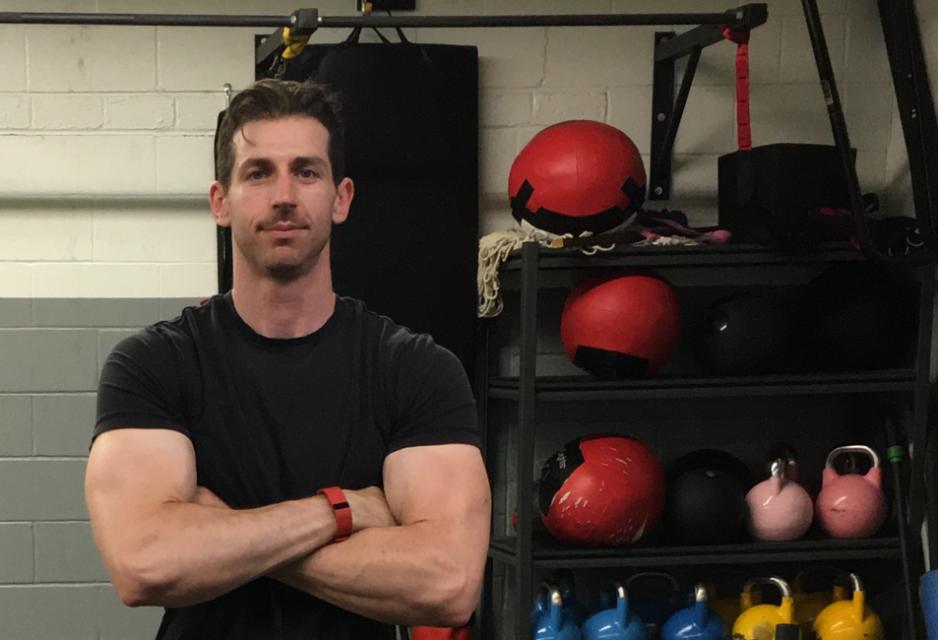
Daniel Roth is a personal trainer, strength and conditioning specialist, and behaviour therapist. He has been working with adults and youth with special needs and developmental disabilities for the past 10 years. He is the owner and director of Level Up Fitness Academy which specializes in creating fitness programs for individuals with developmental disabilities.

Webinaire - Autisme, santé et mise en forme avec Daniel Roth (en anglais)

Daniel Roth vous propose une discussion sur les risques pour la santé qu’encourent les personnes qui vivent avec des troubles du développement, vous explique pourquoi l’exercice devrait être une priorité et aussi comment surmonter les obstacles pour accéder et prendre part à de saines activités. Découvrez les éléments constitutifs d’un bon programme d’exercice ainsi que des stratégies simples pour aider votre famille à bouger cet été.

Daniel Roth Photo

Daniel Roth est entraîneur personnel, spécialisé dans la force et le conditionnement physiques ainsi que thérapeute du comportement. Il œuvre depuis plus de 10 ans auprès d’adultes et de jeunes qui ont des besoins particuliers et des troubles du développement. Il est propriétaire et directeur de la Level Up Fitness Academy qui se spécialise dans la création de programmes de mise en forme pour les personnes qui vivent avec des troubles du développement.

Webinar - Understanding Challenging Behaviour with Ross Greene

Join Dr. Ross Greene (author of “The Explosive Child”) as he discusses CPS, (Collaborative and Proactive Solutions), an approach that recognizes challenging behaviour in children and equips parents to develop tools and techniques to reduce these challenging episodes.

What is CPS?
The CPS model has been implemented in countless families, schools, inpatient units, therapeutic group homes, and residential facilities. The approach sets forth two major concepts:

-First, challenging behaviour in children is best understood as the result of lagging cognitive skills (in the general domains of flexibility/adaptability, frustration tolerance, and problem solving) rather than as the result of passive, permissive, inconsistent or non-contingent parenting.
- And second, the best way to reduce challenging episodes is by working together with the child – collaborating – to solve the problems setting them in motion in the first place (rather than by imposing adult will and intensive use of reward and punishment procedures).


Presenter - Dr. Ross W. Greene, Ph.D

Ross Greene

Dr Greene is an American clinical child psychologist and the developer of the research-based method now called Collaborative & Proactive Solutions. (CPS). He served on the faculty at Harvard Medical School for over 20 years, and is now adjunct Associate Professor in the
Department of Psychology at Virginia Tech and adjunct Professor in the Faculty of Science at the University of Technology Sydney in Australia.

Webinaire - Comprendre le comportement à défi avec Ross Greene (en anglais)

Monsieur Ross Greene, Ph.D., (auteur du livre "The Explosive Child"), nous parlera des solutions collaboratives et proactives (Collaborative &
Proactive Solutions), une approche qui reconnaît l’existence de comportements à défi chez certains enfants et qui consiste à doter les parents d’outils et de techniques pour en réduire la fréquence et la durée.


Biographie du conférencier:

Ross Greene

Ross W. Greene, Ph.D., est un pédopsychologue clinique américain et le concepteur d’une méthode basée sur la recherche, maintenant connue sous le nom de Collaborative & Proactive Solutions [solutions collaboratives et proactives].  Monsieur Greene a enseigné à la Medical School de l’Université de Harvard pendant plus de 20 ans et occupe présentement un poste de professeur associé au département
de Psychologie de la Virginia Tech University et de professeur adjoint à la faculté des Sciences de la University of Technology, de Sydney en Australie.

Webinar - Self Regulation and Well-Being with Stuart Shanker

Join Dr. Stuart Shanker, author of "Self-Reg: How to Help Your Child (And You) Break the Stress Cycle" and "Successfully Engage with Life", as he discusses the importance of self-regulation for the wellbeing of adolescents with ASD. Dr. Shanker’s research has shown that Self-Reg,
(Dr. Shanker’s method for understanding stress and energy flow), is highly effective in helping parents, professionals and teens alike manage
the major stresses in their lives. Learn how stresses including independence, peer relationships, parent-child relationships and sexuality can be managed through self- regulation and well-being.


Presenter - Stuart Shanker

Stuart Shanker

Stuart Shanker, D. Phil (Oxon), is a Distinguished Research Professor Emeritus of Philosophy and Psychology at York University, and the CEO of the MEHRIT Centre, Ltd. (www.self-reg.ca). His most recent book has garnered glowing reviews around the world, being published in Canada, the US, the UK, South Korea, Poland, Germany, The Czech Republic and The Netherlands, with further translations and foreign editions in the works.

Webinaire - L’autorégulation et le bien- être de nos adolescents avec Stuart Shanker

Monsieur Stuart
Shanker, Ph. D., auteur du livre "Self-Reg: How to Help Your Child (And You) Break the Stress Cycle" and "Successfully Engage with Life", nous parlera de l’importance de l’autorégulation comme outil de bien-être des adolescents qui vivent avec l’autisme. Dans ses travaux de recherche, monsieur Shanker a en effet montré que l’autorégulation, la méthode qu’il préconise pour comprendre le stress et le flux de l’énergie, aide grandement les parents, les professionnels et les adolescents eux-mêmes à gérer les moments de stress intense au cours de leur vie. Venez découvrir comment l’autorégulation peut faciliter la gestion des états de stress engendrés par la vie autonome, les rapports entre pairs, les relations parents - enfants et la sexualité, et contribuer ainsi au bien-être de chacun et chacune.


Biographie du présentateur - Stuart Shanker

Stuart Shanker

Monsieur Stuart Shanker, détenteur d’un doctorat en philosophie (Oxon), est professeur émérite chargé de recherches en philosophie et en psychologie à l’Université de York, et directeur général du Centre MEHRIT (www.self-reg.ca).
Son dernier ouvrage a été encensé par la critique partout dans le monde. Il a été publié au Canada, aux États-Unis, en Corée du Sud, en Pologne, en Allemagne, en République tchèque et aux Pays-Bas et a fait l’objet d’autres traductions et publications par des maisons d’édition étrangères.

Webinar - Why & Where Culture Matters For Autistic Families with Mohammad Zubairi

This webinar, with Dr. Mohammad Zubairi, will promote a discussion and reflection on how frontline professionals may engage with elements of culture in their day-to-day practice, and how we can best learn from and collaborate with diverse autistic children and youth and their families.

Presenter - Dr. Mohammad Zubairi

Mohammad Zubairi

Dr. Mohammad Zubairiis a Developmental Pediatrician at Ron Joyce Children’s Health Centre & Assistant Professor in the Department of Pediatrics at McMaster University. His primary area of clinical work is with children and youth with autism. He is a member of the McMaster Autism Research Team. He completed his clinical fellowship at Holland Bloorview Kids Rehabilitation Hospital and a Master of Education through OISE (Ontario Institute of Studies in Education)/University of Toronto. He sits on the steering committee for PONDA (Physicians of Ontario Neurodevelopmental Advocacy) Network, and on the executive for the Section on Developmental Paediatrics at the Canadian Paediatric Society. He is also a board member for the SAAAC Autism Centre (South Asian Autism Awareness Centre). 

Webinaire - L’importance de la culture dans les interventions auprès des enfants et adolescents autistes, issus de divers groupes ethniques, et de leurs familles avec Mohammad Zubairi (en anglais)

L’objectif de ce webinaire, avec Mohannad Zubairi, est de susciter des discussions et une réflexion sur la manière dont les professionnels de première ligne peuvent tenir compte d’éléments culturels dans leur pratique quotidienne ainsi que sur la meilleure façon de tirer des enseignements de nos interactions avec des enfants et adolescents autistes d’origines diverses et de leurs familles, et d’établir avec eux des relations de collaboration.


Dr. Mohammad Zubairi

Mohammad Zubairi

Le Dr Mohammad Zubairi est pédiatre du développement au Ron Joyce Children’s Health Centre et professeur adjoint au département de pédiatrie de l’Université McMaster. Il travaille principalement auprès des enfants et des adolescents qui ont reçu un diagnostic d’autisme. Il est également membre de l’équipe de recherche en autisme, de l’Université McMaster. Il a effectué son stage de clinicien boursier à l’Hôpital de réadaptation pour enfants Holland Bloorview et est détenteur d’une Maîtrise en éducation de l’Ontario Institute of Studies in Education (OISE)/Université de Toronto. Il siège au comité directeur du réseau PONDA (Physicians of Ontario Neurodevelopmental Advocacy) ainsi qu’à la haute direction de la section de la pédiatrie du développement, de la Société canadienne de pédiatrie. Il est également membre du conseil d’administration du centre de l’autisme, de la South Asian Autism Awareness Centre (SAAAC). 

Webinar - Finding Your Way Through The Healthcare Maze with Yona Lunsky

Finding Your Way Through the Healthcare Maze: Lessons From Research on Health Services and ASD

This webinar will explore what happens when individuals with ASD are in crisis and have to visit their hospital emergency department. What leads to these visits, how can they be prevented, and what can we do to be better prepared when they happen? Ontario's health care access research in developmental disabilities program has been studying these issues and working closely with hospitals, families, and policy makers to develop solutions. Please join us to learn more about ways to be better prepared in emergency situations.

Presenter: Yona Lunsky, Ph.D., C.Psych

Yona Lunsky

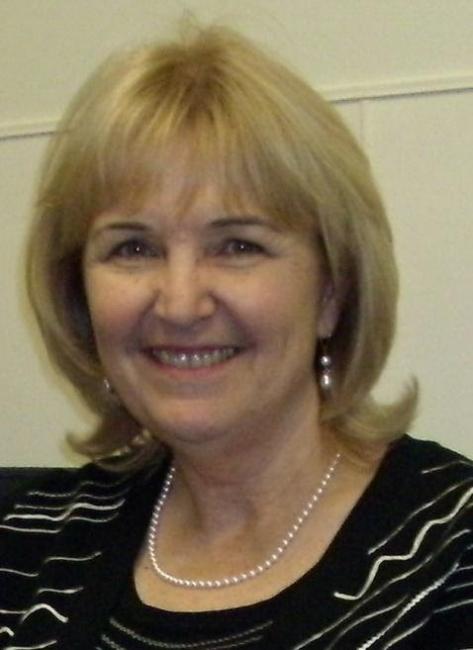
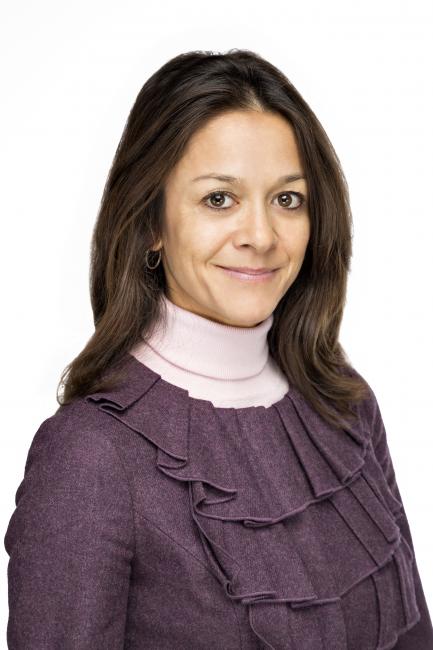
Yona Lunsky, Ph.D., C.Psych is the director of the Healthcare Access Research in Disabilities Program at the Centre for Addiction and Mental Health.  She has received her Ph.D in Clinical Psychology from the Ohio State University, specializing in the area of dual diagnosis, followed by a two year postdoctoral fellowship in Toronto. She has written 100 research papers relating to developmental disabilities and health.


Webinar - Girls on the Spectrum with Meng Chuan-Lai & Yani Hamdani

Girls On The Spectrum - Exploring Sex And Gender And Their Influence On Recognizing Autistic Characteristics

The autism spectrum has long been perceived as predominantly a male condition. However, many girls and women go undiagnosed, misdiagnosed or are diagnosed later in life. Recognizing autism in girls and women may be challenging because some of their behaviours present differently than boys and men. Their health care needs are often unrecognized or go unmet. Many experience mental health, self-identity and gender-related challenges, and inadequate or insufficient health care and social service supports.

In this webinar we will discuss
1) how sex and gender may influence the behavioural characteristics of autism; and,

2) what we have learned from observational studies and from the perspectives of girls and women themselves about how such characteristics might be recognized earlier and how their health care experiences can be improved. 

Research informed by a sex- and gender-lens can provide clues for future research and changes to clinical practices that can optimize supports for autistic individuals across the sex and gender spectra.


Dr. Meng-Chuan Lai and Dr. Yani Hamdani

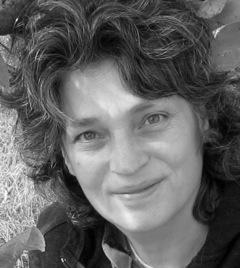
Meng-Chuan Lai

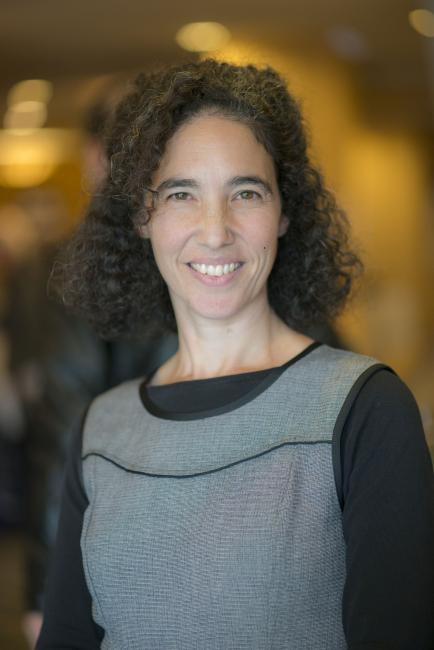
Dr. Meng-Chuan Lai is Clinician Scientist and O’Brien Scholar in the Child and Youth Mental Health Collaborative at the Centre for Addiction and Mental Health, The Hospital for Sick Children and the University of Toronto. He is Assistant Professor in the Department of Psychiatry in the Faculty of Medicine at the University of Toronto. He is also honorary Director of Gender Research in Autism at the Autism Research Centre of the University of Cambridge, and Adjunct Attending Psychiatrist and Assistant Professor of Psychiatry and Psychology at the National Taiwan University. His vision is to bridge and integrate multi-level biological-cognitive-psychological-social research and clinical services. His clinical interests are in the risk and resilience processes across the lifespan in individuals with atypical social, cognitive and affective development (such as the autism spectrum, ADHD, anxiety and mood disorders), and how sex and gender modulate these processes. His current research investigates cognitive and neuro/biological bases of autism and associated neurodevelopmental conditions across the lifespan. A particular focus is on the complex relationships between autism and sex-related factors in development, impact of gender, and sex/gender differences.


Yani Hamdani

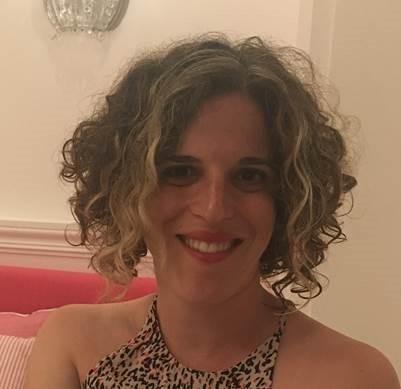
Dr. Yani Hamdani is an Assistant Professor in the Department of Occupational Science and Occupational Therapy at the University of Toronto, a Clinician-Scientist at the Azrieli Adult Neurodevelopmental Centre at the Centre for Addiction and Mental Health, and an Adjunct Scientist at Holland Bloorview Kids Rehabilitation Hospital.  She is a qualitative health researcher and Occupational Therapist. Her current research examines the health and social experiences of girls and women on the autism spectrum, including how social assumptions about gender and disability influence these experiences.

The Emotional Toolbox

Tony Attwood, a well-known psychologist in the field of Autism Spectrum Disorders (ASD), conceptualized the Emotional Toolbox. It represents a collection of tools (strategies) designed to help people deal with negative emotions.