Recherche
Statement by Autism Ontario: Autistic Students Left Behind Again
Autism Ontario 2020 Pre-Budget Consultation Submission
Autism Ontario's Response to 2024 Ontario Budget
Introducing the Top Five Priorities for Autism in Ontario
Autism Ontario 2021 Pre-Budget Consultation Submission
Awards
Autism Ontario 2026 Pre-Budget Consultation Submission
Autism Ontario Submits Recommendations on Bill 101
Webinar - ONTABA Caregiver Series - Creating Structure and Stability in the Home with Dawn Marciello & Joan Broto
We understand during this time many things have changed, including our daily routines. We also know that all individuals benefit from stability. In this 30-minute webinar, we aim to provide some practical strategies for caregivers of children and youth with autism to use at home. We will discuss some ways to build routines, teach independent play, and follow independent activity schedules. As every household is different, the goal is for caregivers to select the best strategy to use with their children and youth.
Additional sessions in this series:
- Self Care Skills During COVID-19 with Janice Theodoropoulos
- Fostering Safe Social Connections During COVID-19 with Carly Eby & Michau van Speyk
- Ways to Play: Ideas to create activities for kids with Harley Lang
Presenters:
Joan Broto is a Board Certified Behavior Analyst (BCBA-D) who completed her MA and Ph.D. from Teachers College, Columbia University in Teaching as Applied Behavior Analysis and Special Education. Joan’s experience includes working with children and youth with autism, learning disabilities, and behaviour disorders since 2000. Joan is currently a Clinical Supervisor at Launch Behavioural Health and provides clinical supervision for ABA programs in the Greater Toronto Area. Joan has taught graduate courses at Brock University and Western University, and provides supervision to graduate students who are pursuing certification in behaviour analysis. Joan currently serves on the Board of Directors for the Ontario Association for Behaviour Analysis (ONTABA), as the secretary and chair of the Education and Advancement Committee, and on the Board of Directors for the Foundation for the Advancement of a Strategic Science of Teaching (FASST).
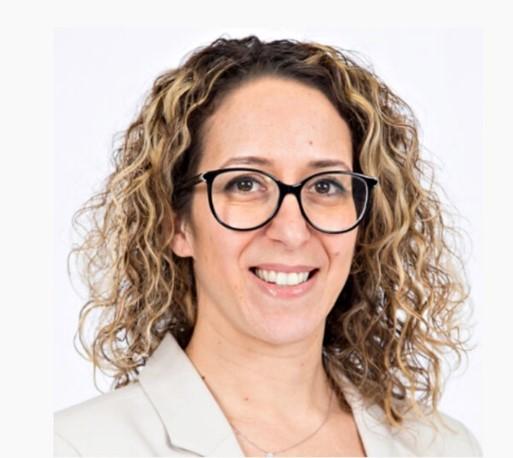
Dawn Marciello is a Board Certified Behaviour Analyst (BCBA) with over 15 years of experience in the field of Applied Behaviour Analysis. Dawn completed her Masters of Applied Behaviour Analysis at St Cloud State University and is also a graduate of the Consecutive Education Urban Diversity Program at York University. During her career, Dawn has taken on a variety of roles including Instructor Therapist, Special Education Teacher, Senior Therapist and Clinical Director. Her work has centred on children and youth with autism and other developmental disabilities. Dawn is currently in the role of Clinical and Educational Director at Exceptional Learning Centre. Additionally, Dawn is a current board member with the Ontario Association for Behaviour Analysis (ONTABA), acting as the treasurer elect and chair of the Organizational Development Committee.
Webinar -Continuation of ABA Services During COVID-19 RESTRICTIONS: One Year Later
Applied Behaviour Analysis (ABA) services are typically delivered face-to-face, and often with close physical proximity. Pandemic related restrictions have been in place for over a year, which has had a tremendous impact on ABA services. This panel will include discussion from multiple perspectives including self-advocate, caregiver, and service provider. Panelists will discuss lessons learned so far, benefits and challenges of telehealth, and how services are continuing to be offered and received in these challenging times.
Speakers:
Shiri Bartman, M.A., C. Psych. Associate., BCBA (Clinical Director, Shining Through Centre)
Shiri Bartman is a Psychological Associate registered with the College of Psychologists of Ontario and is a Board Certified Behaviour Analyst (BCBA). She has worked with children and young adults diagnosed with autism, intellectual disability, learning disabilities and behavioural disorders for over 20 years. Shiri has worked in both the public and private sector providing direct service, clinical supervision, staff training, assessment, counselling, and consultation both in Canada and Internationally. She has served on the Board of Directors of the Ontario Association for Behaviour Analysis (ONTABA) in a variety of positions over the last ten years. Shiri is part time faculty at George Brown College and teaches a variety of courses in the Autism and Behavioural Science Program. Shiri is currently the Clinical Director of Shining Through Centre and works closely with families and staff to ensure high quality programming and best practices at each campus.
Dr. Rosemary Condillac, C.Psych, BCBA-D (Associate Professor and Department Chair and Graduate Program Director in Applied Disability Studies, Brock University)
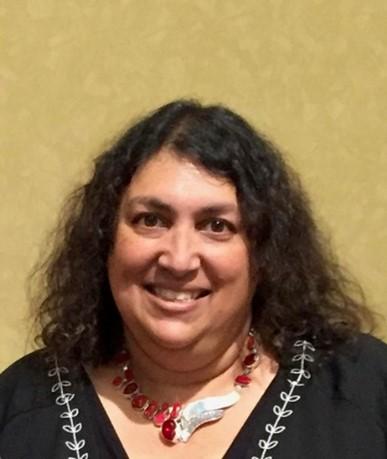
Dr. Rosemary Condillac is an Associate Professor and Department Chair and Graduate Program Director in Applied Disability Studies at Brock University which houses the largest ABA graduate program in Canada. She also serves as the ABAI VCS coordinator for the BCBA course sequences embedded in their ABA Master’s Degree Programs. Dr. Condillac conducts research in ABA, supervises her graduate students’ research, and teaches ABA ethics and professional conduct at the graduate level. Dr. Condillac has worked in the fields of Autism, Intellectual and Developmental Disabilities and ABA for over 30 years in different roles including direct care professional, behaviour analyst, researcher, psychologist, and professor. She received her PhD in School and Child Clinical Psychology at the University of Toronto in 2002. She is a Past President of the Ontario Association for Behaviour Analysis (ONTABA). She remains an active member of the ONTABA Advisory Committee, is Lead on Professional Regulation on their Education and Advancement Committee; and is contributing to their government funded project to develop Ethics and Jurisprudence training materials. Dr. Condillac has authored, “What would you do?” ethics advice column for The ONTABA Analyst newsletter since 2017, answering questions and responding to pertinent shifts in policy and practice in Ontario, Canada.
Avianna Foster, B.Sc. (H) (M.A. Student Applied Disability Studies, Brock University)
Avianna graduated from the University of Guelph in 2016 with Bachelor of Science (Honours) in Psychology: Brain and Cognition. She completed her undergraduate thesis on the effects of peer modelling on street children’s crossing behaviour in a virtual environment. Following graduation, Avianna continued to work as a Research Assistant. In this role, she acted as the lead researcher on a longitudinal study regarding how parental safety practices change as infants go from just being able to sit up on their own, to being able to walk and move around independently. Currently, Avianna is a Master of Arts Student at Brock University in the Applied Disability Studies program with a specialization in Applied Behaviour Analysis (ABA). Her thesis work is focused on assessing the quality of behaviour support plans developed by behaviour analysts. Avianna’s experience working in ABA has included applied experience working with children and adults with disabilities. Previously, Avianna worked as a Behaviour Therapist in a group home setting with children and adults with intellectual and developmental disabilities (IDD). Currently, Avianna works as an Instructor Therapist providing ABA services to children with autism spectrum disorders (ASD).
Andrea Haefele (mother of child with complex needs)
Andrea is an elementary educator and currently on secondment as a Health & Physical Education curriculum consultant for the Ontario Physical Health Education Association. She is also a mother of 2 children. Her son Petie is 9 years old and is a young carer to a sibling with a disability. Bella is 12 years old with complex needs that includes: severe autism spectrum disorder, Pitt Hopkins syndrome, cortical vision impairment and global developmental delay. Andrea is a strong advocate for people with disabilities and has spoken at many professional learning networks such as the hospital for SickKids, the Holland Bloorview Kids Rehabilitation Hospital and Jumpstart Charities. Andrea’s passion is in special education and quality physical education for people with disabilities and is excited to share her journey with you today!
Alec Pemberton (Self-advocate)
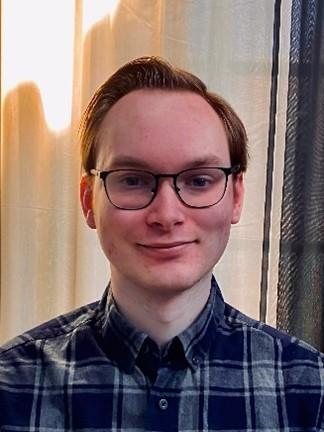
Alec Pemberton was diagnosed with autism at approximately 18 months old and received IBI therapy as young as 20 months old. He is now 22 years old and will soon graduate from the Behaviour Science program. Over the past year, students had to move their lessons and placements online. Because of this, Alec has witnessed, from a Zoom screen, how ABA is being applied in the new setting and how new ABA therapists must adapt to a new learning style. He also understands how difficult it is for the family to adapt to a new set of circumstances and massive change in routine. Some of his hobbies include improv acting, swimming, and comedy.
Carobeth Zorzos, M.A., C. Psych., BCBA (Director, Launch Behavioural Health)
Carobeth is Director of Launch Behavioural Health, a multidisciplinary clinic providing evidence based services to children and youth with neurodevelopmental disorders. She is a Board Certified Behavior Analyst and Clinical Psychologist who has worked with children, adolescents, and adults with Autism and other neurodevelopmental disorders since 2001 in a wide variety of settings, including home and centre based applied behaviour analysis (ABA) programs, schools, residential treatment programs, long term care facilities, inpatient mental health settings, children’s aid societies, and rural and remote Indigenous communities.
Philip Lerner (Self-Advocate)
Philip Lerner is 20 years old and currently a full-time undergraduate co-op student at the University of Waterloo, studying for a BMath Honours Statistics and a computing minor. His last co-op position was with NRC-IRAP (Innovation Assistance Program) as a Research Data Analyst. He received ABA therapy when I was 2.5-4 years old. He was put onto a waitlist; however, his parents decided to receive ABA services from a private provider. From his recollection, he enjoyed the process, and his therapist is still currently in touch with his family. Philip kept his autism a secret until he was 16, and then the "Autism Doesn’t End at 5" campaign started. At that point, he realized that he didn’t want to just stand by while essential therapy was taken away from more people just like himself. Now, he is the director of the Ontario Autism Coalition (OAC), and co-chair of the OAC Adult Services Working Group.
Autism Ontario Sees Both Progress and Gaps in Ontario’s 2026 Budget
The Ministry of Children, Community and Social Services announces focus on needs-based Ontario Autism Program
Signature Series | Emotion Management and Energy Accounting with Dr. Isabelle Hénault
This event aired in January 2026 and is now available to watch on demand. Click here to access the recording.
Join Autism Ontario for a conversation with Dr. Isabelle Hénault, M.A., Ph.D., Psychologist and Sexologist, whose work focuses on emotion management, autistic burnout, and relationship well-being.
Many autistic individuals and their families report that challenges with emotions, mood, and energy have a major impact on daily life. Dr. Isabelle Hénault will join us virtually from Montreal for a strategy-focused interview, guiding autistic adults, parents, caregivers, and professionals supporting individuals across home, school, and workplace settings.
What to Expect:
- Explore factors that contribute to mood disorders, meltdowns and autistic burnout.
- Evidence-informed strategies from Cognitive Behaviour Therapy (CBT)
- A practical introduction to the Emotional Toolbox, CAT-KIT, and Energy Accounting, offering concrete methods to track, manage and balance emotional and energy demands.
- Real-world examples and Q&A, with opportunities to submit questions during registration.
This episode has been created for autistic individuals, caregivers and professionals working with the autistic population. Register to gain practical, neuroaffirming strategies to better support autistic teens and adults in navigating emotions, preventing burnout, and building healthier routines.
Autism Ontario's Signature Series webinars are available On-Demand. Register today to receive the link to watch on-demand.
Register here: https://bit.ly/4ohFBV6
This episode is available in French. Register here: https://bit.ly/4iIrbwg
See our collection of past Signature Series episodes available On-Demand here. Stay informed, get expert insights, and explore our growing library of topics designed to support you and your family.
Meet Our Speaker: Dr. Isabelle Hénault, Psychologist & Sexologist, Director of the Montreal Autism & Asperger’s Clinic
Dr Isabelle Hénault is a sexologist and psychologist from the University of Québec in Montréal, Canada.
Her practice and studies have focused on providing diagnosis, education and support to children, adolescents, adults, and couples living with Autism and Asperger's Syndrome. Dr. Hénault has developed a relationship and sex education program and works with individuals and groups to increase their understanding of sexuality, and conducts relationship counselling. She is presently collaborating on numerous international research initiatives involving socio-sexual education and interpersonal relationships. She worked for over 2 and a half years at Tony Attwood’s clinic in Australia.
Dr. Hénault is the author of Asperger's Syndrome and Sexuality: From Adolescence through Adulthood, published by Jessica Kingsley Publisher, London (2005) and co-author of The Autism Spectrum, Sexuality and the Law (Attwood, Hénault & Dubin), published by Jessica Kingsley Publisher, London (2014). She also collaborated on the book, Working with Autistic Transgender and Non-Binary People (Kourti & coll, 2021) and published the book, The Female Profile of Autism (JKP.com 2025).
Disclaimer: Opinions reflected in this webinar are those of the speaker(s) and presenter(s), and do not necessarily reflect Autism Ontario’s views. Please note that Autism Ontario does not endorse any specific therapy, product, treatment, strategy, opinion, service, or individual. We do, however, endorse your right to information. Autism Ontario strongly believes that it is important to do your own research and make your own informed decisions.
Transitioning to Employment
My Story, My Journey, My Gift – Living In A World With A Neurodivergent Mind
Autism Ontario Submits Recommendations on Proposed School Resource Officer (SRO) Regulation
Positive Advocacy Resources
Statement by Autism Ontario: Call for Improved Police Responses Involving Autistic Individuals
Together, we are making a difference
The Power of Passion: Navigating Autistic Perspectives and Leveraging Special Interests for Everyday Enrichment
In this webinar, we will discuss a a strength-based approach that recognizes how special interests can facilitate, instead of hamper, participation in work, school, volunteering, connecting with others, and more. We will share and discuss real-world examples and successes of leveraging special interests from Naomi's clinical practice.
We will also have an opportunity to hear from Alex Breton, an autistic adult who leveraged his special interest in Dungeons and Dragons to find job opportunities.
For more information on this topic, please see the additional resources attached below.
Learning Objectives:
- Learn about autistic interests and what can make them different.
- Learn strategies for engaging with your child's special interests.
- Understand how to connect special interests to activities of daily living, self-care, work, and school.
This webinar is designed with parents and caregivers of autistic children and youth in mind. Professionals are welcome to view.
Speaker: Naomi Hazlett, BSc., MScOT, erg.
Naomi Hazlett, BSc., MScOT, erg. is a registered occupational therapist with the l'Ordre des ergothérapeutes du Québec. She currently works at the Douglas Mental Health University Institute, teaches at Concordia University, University of Toronto, and Centennial College, and has a private practice. She completed her Bachelor of Science in Cognitive Science and Psychology and Masters of Occupational Therapy at the University of Toronto. Her lived experience includes neurodiversity, mental illness, and chronic pain.
Panelist: Alex Breton, Self-Advocate
Alex Breton was diagnosed at age 2.5 with pervasive development disorder, and after further testing at age 4, he was diagnosed with Asperger's. He found living with Asperger's to be a challenge, as he struggled with being bullied at a young age and into high school due to difficulties in understanding social relationships and making friends. At age 21, he decided to pursue an education and had a career in early childhood education for four years, here, he hoped he could help kids in the same situation as him. He gravitated towards working with Autism Ontario’s summer camps and evening programs to further pursue his goal to help others on the Autism Spectrum. With his work experience, he has found it easier to connect with people on the spectrum and feels very rewarded working alongside others on the spectrum. He is currently assisting in the Dungeons and Dragons program with the Toronto Region of Autism Ontario as a Dungeon Master with plans to take an autism and behavioural course in September 2024.
Disclaimer: Opinions reflected in this webinar are those of the speaker(s) and presenter(s), and do not necessarily reflect Autism Ontario’s views. Please note Autism Ontario does not endorse any specific therapy, product, treatment, strategy, opinion, service, or individual. We do, however, endorse your right to information. Autism Ontario strongly believes that it is important to do your own research and make your own informed decisions.
Webinar - Healthy Coping for Caregivers Using Acceptance & Commitment Therapy Strategies with Katy Albert
This webinar aired on November 14th, 2024 and is now available On-Demand.
See the 5-Minute Autism Insights summary video and resources linked below to accompany the content of this presentation.
Watch our webinar with Katy Albert on navigating life's joys and challenges using self-compassion, acceptance, and value-driven action to promote healthy coping and improve well-being for caregivers.
Through the frameworks of Acceptance and Commitment Therapy (ACT) and self-compassion, caregivers will learn tools to navigate the inherent ups and downs of supporting and advocating for their autistic loved ones.
Learning Objectives:
- Recognize and stay connected to your core values, whether you're going through positive or challenging times.
- Explore strategies for effectively responding to changes and challenges.
- Learn simple ways to stop overthinking and worrying, so you can focus better on the present moment.
Whether you are new to the autism community, have just received a diagnosis, or are further along in your journey, this webinar offers valuable insights for you.
Ready to Dive Deeper?
Register here to watch this discussion On-Demand.
This session is ideal for caregivers, siblings, and family members of autistic children, youth, and adults. Professionals working with the autistic community and their families are also welcome to attend.
View the Resources and 5-Minute Autism Insights Summary video below
Meet Our Speaker: Katy Albert, OCT, M.Ed., BCBA
Katy is a mental health counsellor and parent coach at The Redpath Centre and specializes in neurodivergence and family wellbeing in private practice. She is an Ontario Certified Teacher, Registered Behaviour Analyst and received her Master’s in Developmental Psychology and Education at the Ontario Institute for Studies in Education. Katy has worked as a therapist and consultant in the private and public sectors. She has completed extensive mental health training in acceptance and commitment therapy (ACT) and dialectical behaviour therapy (DBT). She is passionate about supporting families and neurodivergent individuals with a range of challenges including anxiety, depression, OCD, trauma, executive functioning, emotional regulation, interpersonal skills, sleep difficulties, school refusal and aggression. She also trains parents, educators and mental health professionals.
Meet Our Moderator: Matt Ley
Matt Ley is the current President and co-founder of The Streaming Network. Starting his career in virtual events in 2007, Matt is an industry veteran who is passionate about helping customers stand out in their industry with compelling virtual events that people want to attend. The driving ambition for Matt is that virtual events are not a utility for information distribution but an opportunity for firms to create a competitive advantage. Matt is an accomplished moderator, dedicated to creating engaging, accessible virtual experiences that resonate with audiences and provide meaningful value.
Disclaimer: Opinions reflected in this webinar are those of the speaker(s) and presenter(s), and do not necessarily reflect Autism Ontario’s views. Please note Autism Ontario does not endorse any specific therapy, product, treatment, strategy, opinions, service, or individual. We do, however, endorse your right to information. Autism Ontario strongly believes that it is important to do your own research and make your own informed decisions.
View the Resources and 5-Minute Autism Insights Summary video below
Autism Ontario Celebrates its 50th Anniversary – A Letter from our CEO, Margaret Spoelstra, and our President of the Board, Kim Moore
Autism Ontario and Apex Academy Online Help Autistic Job Seekers and Employers with Autism Career Connections
Signature Series | Setting Healthy Screen Time Boundaries for Neurodivergent Kids & Teens with Katy Albert
This webinar aired in April 2026 and is now available On-Demand. Register to watch now and to access the resources.
How much screen time is too much? Is it harming your child? What if technology is the only thing that seems to make them calm or happy?
Watch Autism Ontario's Signature Series event focused on conscious technology use and how to set realistic, healthy screen time boundaries at home.
For many autistic and neurodivergent children and teens, technology can support connection, regulation, learning, and enjoyment. At the same time, excessive or hard-to-manage use can disrupt sleep, school engagement, hygiene, relationships, and mental health. Many caregivers feel uncertain about what limits are appropriate and worry about strong emotional reactions when boundaries are introduced.
In this compassionate and practical session, behaviour analyst, educator, and mental health counsellor Katy Albert, M.Ed., RBA, OCT, will share a neurodivergence-informed approach grounded in Acceptance and Commitment Therapy (ACT). Instead of framing screen time as good or bad, this approach helps families focus on purpose, context, and values to make thoughtful decisions that support wellbeing.
What you'll learn:
-
A clearer understanding of the relationships children and teens have with technology
-
How to recognize the ways technology can support wellbeing and where risks emerge
-
How to make intentional decisions about screen time using your family values as a guide
-
Neuroaffirming strategies for setting sustainable and compassionate screen time limits and boundaries
-
How to hold clear expectations that reduce conflict while strengthening caregiver confidence at home.
Who Should Attend:
Caregivers, parents, educators, and professionals supporting autistic and neurodivergent children, teens, or young adults who are concerned about screen time, gaming, social media, or technology dependence.
This session offers practical guidance, real-world strategies, and compassionate reassurance for families navigating one of today’s most complex parenting challenges.
Register today to receive the link to watch on-demand.
Click here to register: https://bit.ly/46yU5tU
See our collection of past Signature Series webinars available for viewing here. Stay informed, get expert insights, and explore our growing library of topics designed to support you and your family.
Meet our Speaker: Katy Albert, M.ed., RBA, oct
Katy Albert is a mental health counsellor and parent coach in private practice, specializing in neurodivergence and family wellbeing. She supports neurodivergent children, teens, adults, and their families — with a particular focus on caregivers — using a compassionate, practical, and strengths-based approach grounded in Acceptance and Commitment Therapy (ACT). Katy is an Ontario Certified Teacher and Registered Behaviour Analyst, and holds a Master’s degree in Developmental Psychology and Education from the Ontario Institute for Studies in Education (OISE). She has worked across both public and private sectors as a therapist, consultant, and educator. Katy is passionate about supporting families as they navigate challenges such as anxiety, emotional regulation, executive functioning differences, and school avoidance — with an emphasis on strengthening caregiver capacity, values alignment, empowerment, self-understanding, and creating environments where neurodivergent individuals can thrive.
Disclaimer: Opinions reflected in this webinar are those of the speaker(s) and presenter(s), and do not necessarily reflect Autism Ontario’s views. Please note that Autism Ontario does not endorse any specific therapy, product, treatment, strategy, opinions, service, or individual. We do, however, endorse your right to information. Autism Ontario strongly believes that it is important to do your own research and make your own informed decisions.
In Focus, the After Show: Building Self-Advocacy Skills for Autistic Women and Girls with Stephanie Moeser
In Autism Ontario's premiere of In Focus, the after show, Matt Ley and Stephanie Moeser dive deeper into the topics from Autism Ontario’s Signature Series webinar on self-advocacy for autistic women and girls. They address unanswered audience questions and explore key strategies to support self-advocacy development at home, school, and beyond.
Key topics discussed:
✅ Masking and its impact: The conversation highlights how autistic women and girls often mask their traits to fit in, which can lead to exhaustion and burnout. Stephanie emphasizes the importance of creating safe, unmasking spaces at home and in the community.
✅ Parental involvement and modelling advocacy: Parents play a critical role in advocating for their children and modelling self-advocacy skills. Stephanie shares practical ways to gradually involve children in advocating for their needs, such as providing choices and including them in conversations with teachers or doctors.
✅ Transitioning to independence: The discussion covers the challenges autistic individuals face when transitioning to adulthood, including navigating post-secondary education and the workplace. Stephanie offers tips on preparing teens early by building practical skills like making appointments, communicating needs, and understanding their rights.
✅ Disclosure and accommodations: The episode explores the complexities of disclosing an autism diagnosis. Stephanie explains how individuals can request accommodations without fully disclosing their diagnosis, focusing instead on their functional needs.
✅ Building resilience in advocacy: When self-advocacy efforts are met with resistance or rejection, Stephanie encourages normalizing these experiences and offering emotional support. She shares strategies for helping individuals process disappointment and remain motivated to self-advocate.
✅ Finding peer support: The importance of connecting with other autistic individuals through peer groups or online communities is highlighted as a way to build confidence, share experiences, and reduce the pressures of masking. Watch this after-show for practical insights and real-world strategies to empower autistic individuals in their self-advocacy journey.
In addition to the aftershow, register to watch the full interviews completed with self-advocates Lauren Portengen and Patricia Baxter to hear their insights and lived experience with self-advocacy.
This presentation will highlight the importance of building self-advocacy skills in girls and women; however, the messaging and strategies are applicable to all genders.
Ready to Dive Deeper? In Focus, the aftershow is now available. Click here for details!
This webinar will offer valuable insights and practical advice for autistic individuals and their families.
Missed the Signature Series Webinar? Don't worry! Our webinars are available for viewing on-demand. Click here to view the original Building Self-Advocacy Skills for Autistic Women and Girls with Stephanie Moeser webinar.
Stephanie Moeser, (she/her), MSW, RSW
Stephanie has a small private practice which primarily focuses on supporting autistic folks through a neurodivergent affirming lens. She specializes in supporting autistic students attending post-secondary education and autistic girls, women, trans and non-binary people providing mental health supports addressing areas of relationships, wellness, and issues related to managing mental health challenges such as anxiety and mood disorders.
Over the years Stephanie has presented on the topic of wellness and self-care to parents/caregivers, people living with disabilities, mental health professionals and allied health professionals. She is passionate about the need to talk about feelings and to integrate active compassion into one life.
Meet Our Moderator: Matt Ley
Matt Ley is the current President and co-founder of The Streaming Network. Starting his career in virtual events in 2007, Matt is an industry veteran who is passionate about helping customers stand out in their industry with compelling virtual events that people want to attend. The driving ambition for Matt is that virtual events are not a utility for information distribution but an opportunity for firms to create a competitive advantage. Matt is an accomplished moderator, dedicated to creating engaging, accessible virtual experiences that resonate with audiences and provide meaningful value.
#IWD2025 #AccelerateAction #InternationalWomensDay #IWD #WomensDay
Disclaimer: Opinions reflected in this webinar are those of the speaker(s) and presenter(s), and do not necessarily reflect Autism Ontario’s views. Please note Autism Ontario does not endorse any specific therapy, product, treatment, strategy, opinion, service, or individual. We do, however, endorse your right to information. Autism Ontario strongly believes that it is important to do your own research and make your own informed decisions.