Search

Proximity
Camp Session
Displaying 301 - 319 of 319
Displaying 1 - 319 of 319

Webinar - Workplace Neurodiversity - Employer Obligations Debunked with Cheryl Wiles-Pooran

Cheryl will debunk the myths, set the facts straight on employer and employee rights and responsibilities, and provide practical advice for navigating the employment relationship when it comes to key issues related to employees with employees with cognitive differences.

Speaker: Cheryl Wiles-Pooran
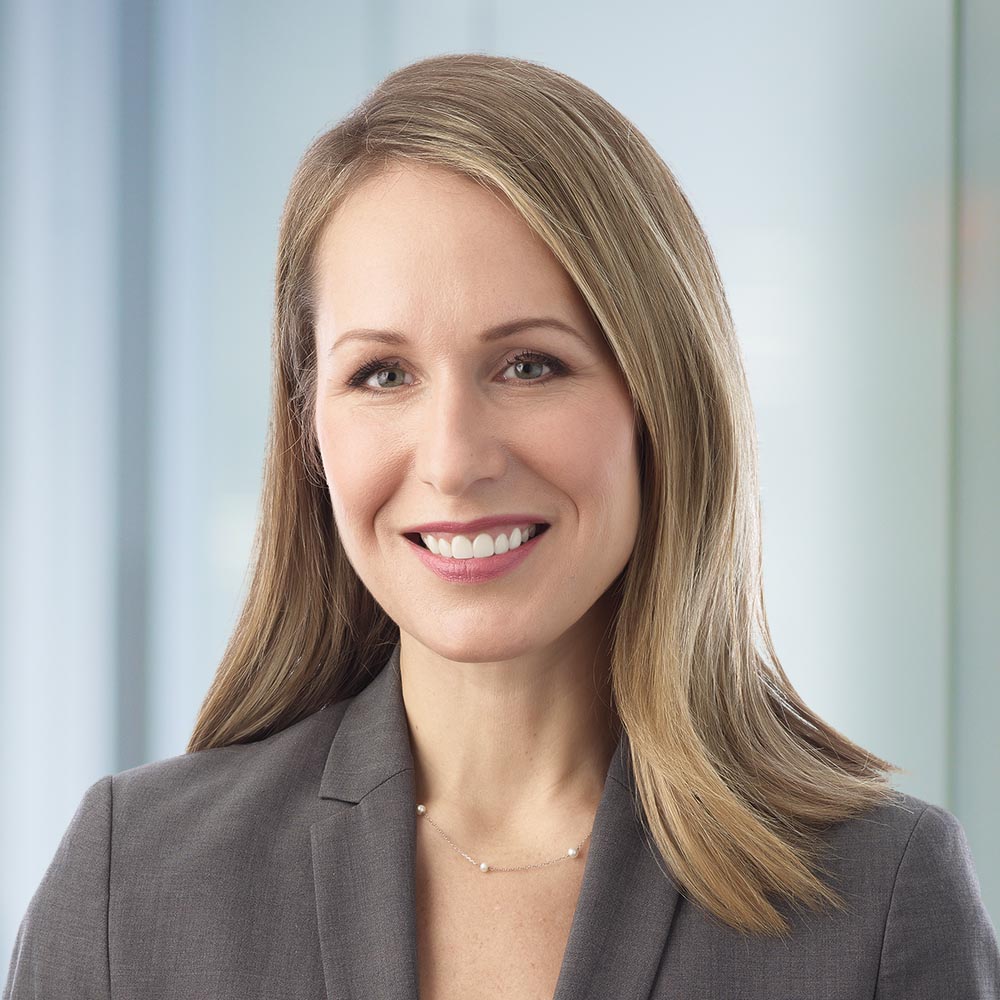
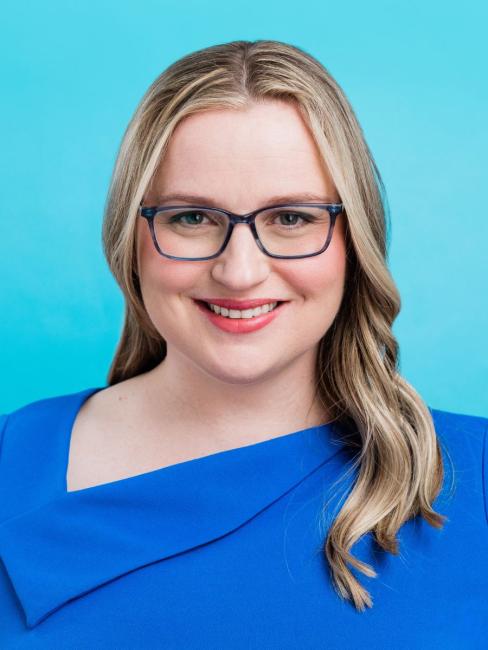
Cheryl Pooran

Cheryl Wiles Pooran is an experienced human rights, labour and employment lawyer whose practice is dedicated to serving people and social purpose organizations. 
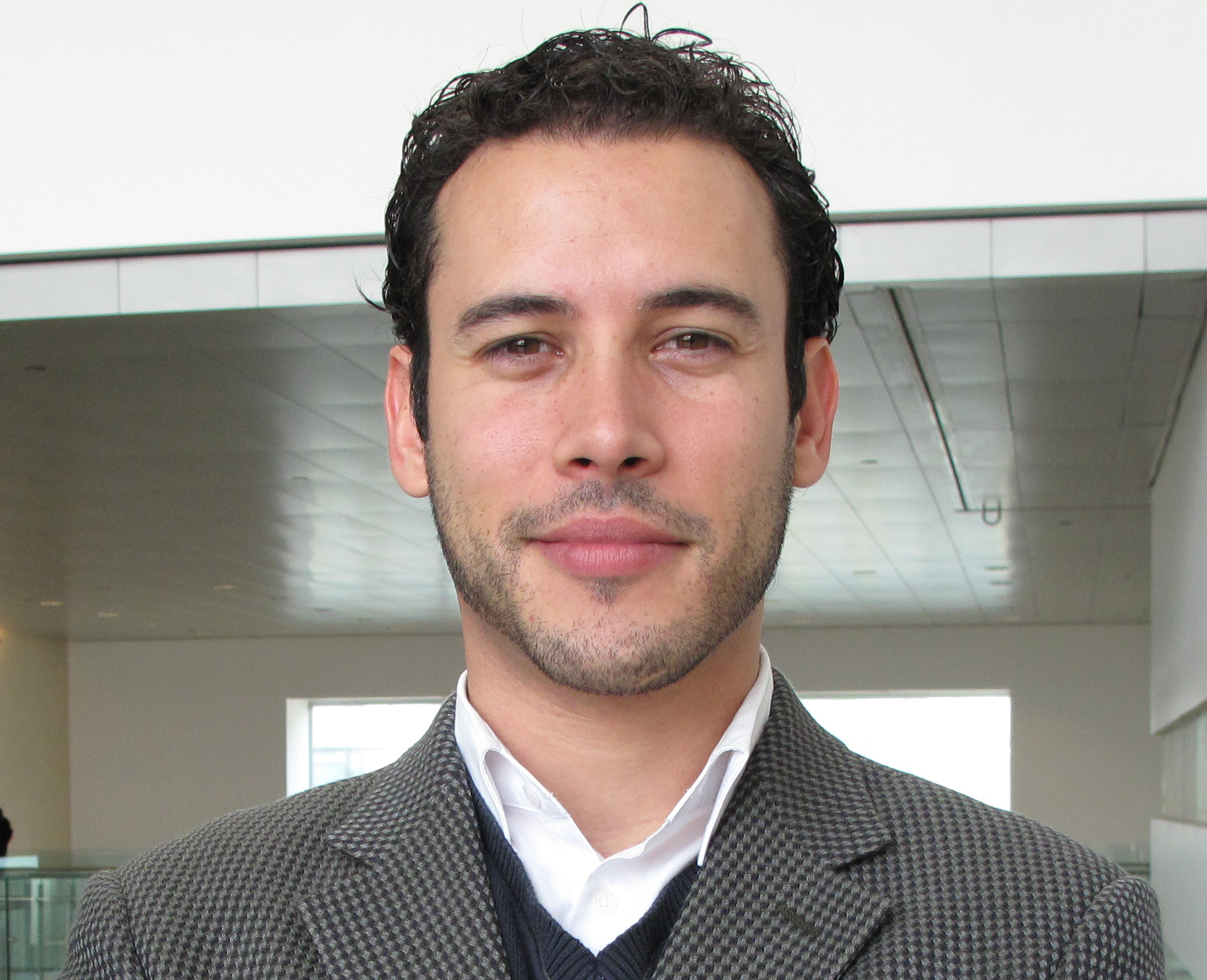
Webinar - Promoting Mental Health in Autistic People: The Importance of Context and Support with Jonathan Weiss

This webinar will review the state of the evidence and best practice in understanding mental health problems experienced by adolescents and adults on the spectrum. We will discuss how we can use conceptualizations of thriving to move beyond solely deficit models, for understanding and planning supports.

Presenter: Jonathan Weiss, Ph.D.

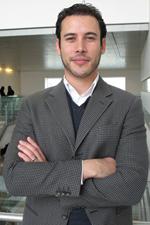
Jonathan Weiss

Dr. Jonathan Weiss is an Associate Professor in the Department of Psychology at York University, a Clinical Psychologist, and holds the York University Research Chair in Autism and Neurodevelopmental Disability Mental Health.

Webinar - ONTABA Caregiver Series - Fostering Safe Social Connections During COVID-19 with Carly Eby & Michau van Speyk

The goal of this webinar is to provide information to autistic people and/or their caregivers to foster safe and meaningful social connections online and within pandemic related restrictions. Learn tips for teaching how to stay safe/be safe online and how technology can open doors for social connection.

Additional sessions in this series:

  1. Creating Structure and Stability in the Home with Dawn Marciello & Joan Broto
  2. Self Care Skills During COVID-19 with Janice Theodoropoulos
  3. Ways to Play: Ideas to create activities for kids with Harley Lang

Presenters:

Carly Eby

Carly Eby is a Board Certified Behavior Analyst-Doctoral.  Carly earned her B.Ed. from McGill University, MSc. in Applied Behavior Analysis (ABA) from Northeastern University, and Ph.D. in ABA from Columbia University. In 2019, Carly founded The Autism Centre of Toronto (TACT), a non-profit organization that provides early intensive ABA services. Carly has taught graduate courses at Simmons University and Elms College, and has published her research in Behavioral Interventions, Behavioral Development Bulletin, and the Journal of Speech-Language Pathology and Applied Behavior Analysis. She currently serves on the Board of Directors for the Ontario Association for Behaviour Analysis (ONTABA) and is Chair of the Professional Practice & Affairs Committee. Carly lives in Toronto with her husband and three children.

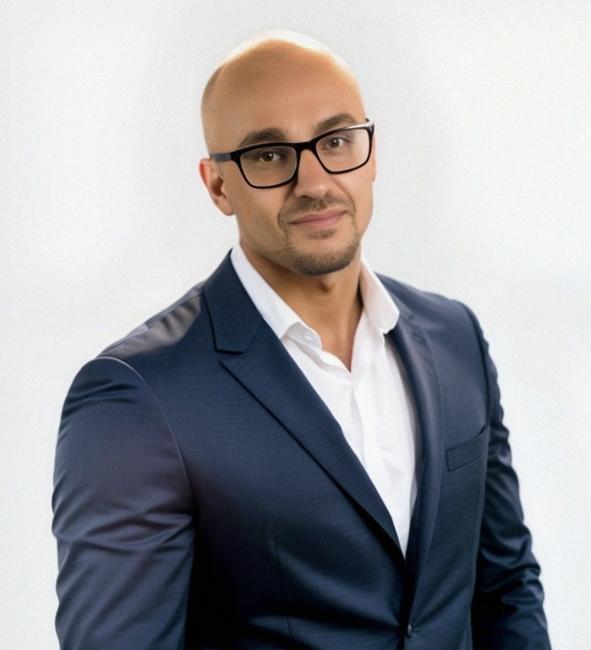
Michau

My name is Michau van Speyk I’m 25 years old and I live in Toronto, Canada. I have Autism. Since 2016 I have been on the board of directors for the Ontario Autism Coalition (OAC).

Webinar - Health & Fitness on the Spectrum with Daniel Roth

Join Daniel Roth for a discussion about the health risks facing individuals with developmental disabilities, why exercise should be a priority, and how to overcome the barriers to accessing and participating in healthy activities. Learn what makes for a successful exercise program and simple strategies to help get your family moving this summer. 

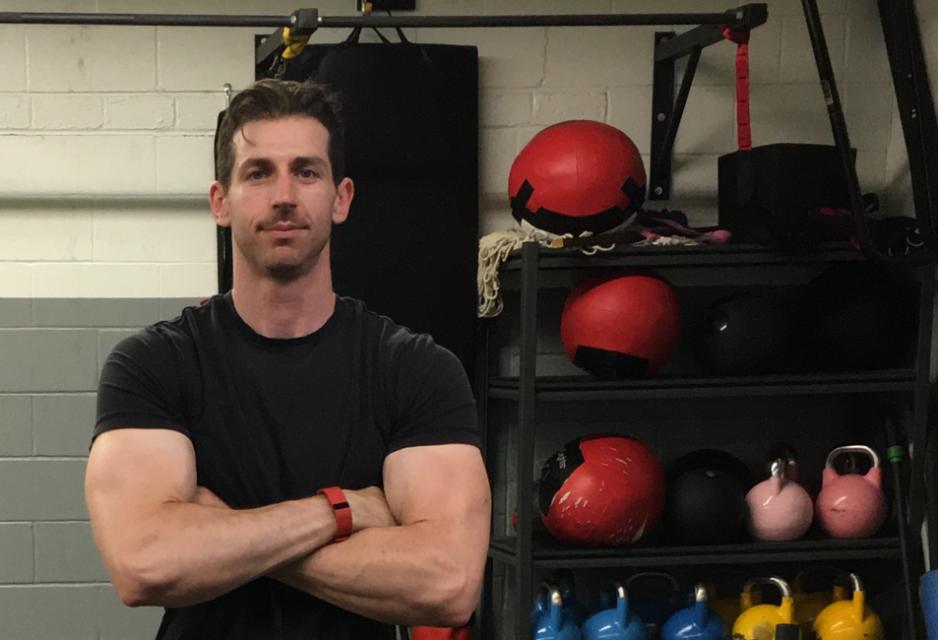
Daniel Roth Photo

Daniel Roth is a personal trainer, strength and conditioning specialist, and behaviour therapist. He has been working with adults and youth with special needs and developmental disabilities for the past 10 years. He is the owner and director of Level Up Fitness Academy which specializes in creating fitness programs for individuals with developmental disabilities.

Webinar - Addressing Bullying In Youth with ASD with Jonathan Weiss

Children with Autism Spectrum Disorders often experience bullying at school, and it is important that parents and professionals work together to address this problem.

This webinar reviews ways of supporting youth who are experiencing bullying to increase their coping skills and to help stop the problem from happening in the future. Effective interventions require knowledge and a team approach, and the current workshop discusses what children can do, and what adults can do, to make everyone feel more safe.


Presenter:

Jonathan Weiss

Dr. Jonathan Weiss, PhD, is an Associate Professor in the Department of Psychology at York University and Clinical Psychologist. He completed a postdoctoral fellowship at the Centre for Addiction and Mental Health and University of Toronto, Dept. of Psychiatry, and held the federal Chair in Autism Spectrum Disorders Treatment and Care Research. He currently holds a York Research Chair in Autism and Neurodevelopmental Disability Mental Health. His research focuses on the prevention and treatment of mental health problems in people with autism or intellectual disabilities across the lifespan. He conducts studies into how people with developmental disabilities access mental health care, and is interested in their health service needs, their emergency service use, and their experiences of psychiatric crisis.

A Sibling’s Perspective

On April 3, 2012, my brother John and I had the great pleasure of participating in the sibling session of the 4th biennial Stages of Autism: Adolescence and Beyond Conference. We shared with the audience a bit of John’s and our family’s story which hopefully is summarized with some coherence in the paragraphs that follow.

Sensory Strategies for Teens and Adults

People of all ages can require strategies that help regulate (stimulate or calm) their nervous systems. “Sensory-seeking individuals often continue to crave input as they get older…sensory-seeking can impact an individual’s work, leisure and self-care. Remember the need for intense input does not automatically disappear just because a person is older”.

Webinar - Her Spectrum: Navigating the Unique Experiences and Needs of Autistic Girls and Women with Marie Hooper

Please note this webinar aired on March 7th, 2024 and is now available on YouTube. See below for additional resources to accompany the content of this presentation.

Join us to explore autism as it relates to the distinct needs and experiences of girls and women.

This presentation illuminates the unique challenges faced by autistic females, examining how societal expectations, gender stereotypes, and diagnostic biases impact their journey.  

This webinar will provide valuable insights into the nuanced ways autism presents in females, discussing the potential differences in social communication, sensory sensitivities, and coping mechanisms.  

We will explore the importance of early detection, dispelling myths and misconceptions surrounding the gendered presentation of autism.  

Through research findings, real-life stories, and practical strategies, participants will gain a deeper understanding of how to support and empower autistic girls. By fostering awareness and embracing a gender-inclusive perspective, we can create a more supportive environment for all autistic individuals. 

Learning Objectives: 

  1. Understand why autistic girls and women are under-diagnosed  
  2. Learn to recognize common masking behaviours 
  3. Explore strategies for dealing with common issues like anxiety, low self-esteem, poor self-regulation, sensory sensitivities, obsessive interests, and maintaining friendships 
  4. Enhance communication and find opportunities for connection 

This webinar is designed with autistic individuals who identify as women and parents and caregivers of autistic girls in mind. Professionals are welcome to join. 

This presentation contains material that might be difficult to discuss, including sexuality and abuse. These themes will be discussed in a sensitive and educational way, emphasizing prevention. 

For more information on this topic, please see the additional resources attached below.

MH

Meet Our Speaker: Marie Hooper, Ph.D. Candidate

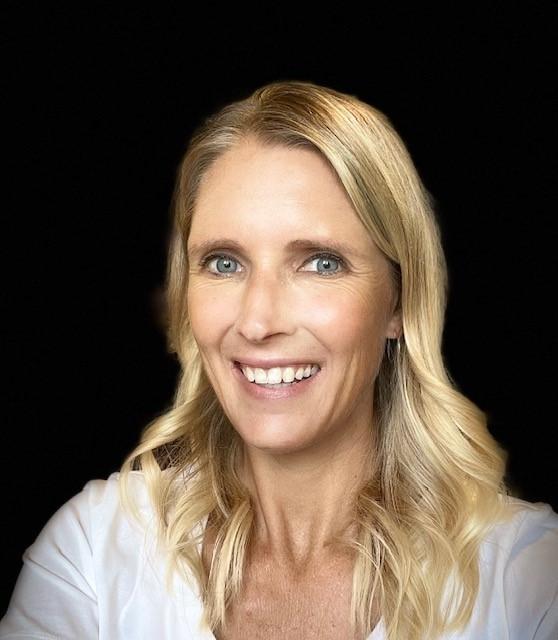
Marie Hooper is the co-owner and founder of Flourish Health Services, a paediatric hub in the heart of the Beaches (Toronto) that provides developmental health services to children, youth, and families.  

Marie is currently a Ph.D. candidate in Clinical Developmental Psychology at York University and a seasoned professional with extensive experience in assessing and working with autistic children, youth, and adults. Her strengths-based, evidence-based, neurodiversity-affirming approach is complemented by a rich background in addressing a range of challenges, including learning difficulties, developmental delays, and mental health issues.  

Marie's diverse skill set includes Cognitive Behavioural Therapy, Dialectical Behavioural Therapy, Acceptance and Commitment Therapy, Motivational Interviewing, Play Therapy, Parent-Child Interaction Therapy, and Emotion-Focused Therapy. With a residency at YRDSB, TDSB, and Etobicoke Psychological Services, along with affiliations at Launch Behavioural Health, the Hospital for Sick Children, and Holland Bloorview Kids Rehabilitation Hospital, Marie is deeply involved in paediatric mental health.  

Her brainchild, Flourish, fulfills her long-standing dream of a paediatric hub, driven by personal insights as a parent to a child with complex needs. Currently completing her doctoral research on family stress, Marie offers support to clients and families, working under licensed clinical psychologists during the final stages of her Ph.D. journey. 

Headshot of Matt Ley, moderator.


Meet Our Moderator: Matt Ley

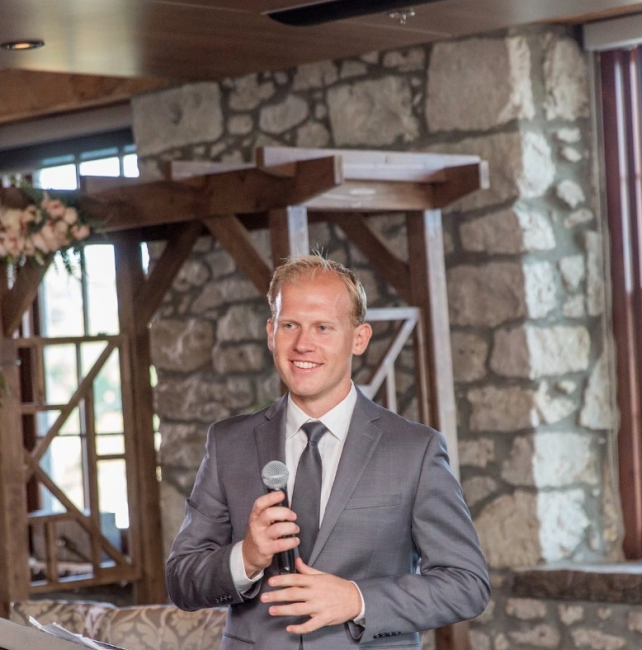
Matt Ley is the current President and co-founder of The Streaming Network. Starting his career in virtual events in 2007, Matt is an industry veteran who is passionate about helping customers stand out in their industry with compelling virtual events that people want to attend. The driving ambition for Matt is that virtual events are not a utility for information distribution but an opportunity for firms to create a competitive advantage. Matt is an accomplished speaker, moderator, and a sought-after thought leader.


Disclaimer: Opinions reflected in this webinar are those of the speakers, and do not necessarily reflect Autism Ontario’s views. Please note Autism Ontario does not endorse any specific therapy, product, treatment, strategy, opinions, service, or individual. We do, however, endorse your right to information. Autism Ontario strongly believes that it is important to do your own research and make your own informed decisions.

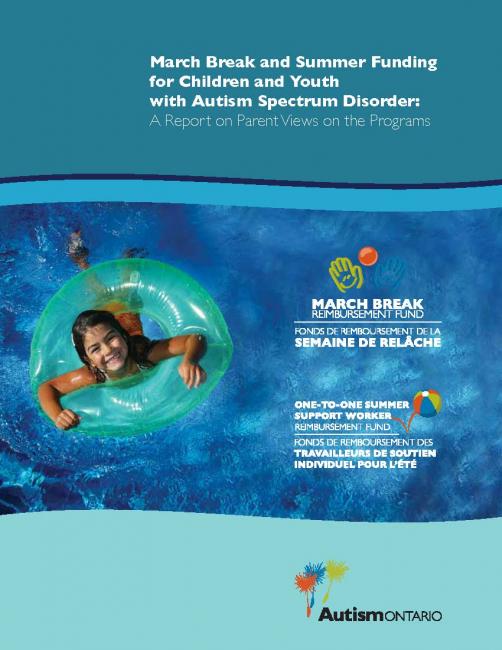
2012 March Break and Summer Funding for Children and Youth with Autism Spectrum Disorder: A Report on Parent Views on the Programs

A child floating in a pool in an inner tube with the words "March Break and Summer Funding for Children and Youth with Autism Spectrum Disorder: A Report on Parent Views on the Programs" above

This report was published in 2012.

For over 35 years, Autism Ontario has worked with the Government of Ontario towards a vision of “acceptance and opportunities for all individuals with ASD”. One initiative of Autism Ontario was to develop a program that would provide direct financial support to families of children with Autism Spectrum Disorders (ASD) to enable them to participate in community-based activities/programs throughout the Summer and March Break vacations from school, such as camps and recreational programs. Financial support for Summer funding was first provided by the Ministry of Children and Youth Services in 2007. Funding could be used by families in a variety of ways. The funding could be used by families to pay for
community recreational/camps programs or one-to-one support over March Break or one-to-one support
during summer holidays.

The direct goals of this program were: (1) to provide families with respite; (2) to support community and recreational participation of children with ASD; (3) to provide high-quality programing opportunities; and (4) to help provide continuity of care during vacation periods defined by the school calendar. Through these four primary goals, it was hoped that several secondary objectives may be achieved: (1) lower parental stress; (2) improvement in skills of the children; and (3) modest improvement in ASD symptomatology. An evaluation component of the program was initiated by Autism Ontario to measure the effective and ineffective elements of the program. This paper will provide an overview of the process involved in the
evaluation of the March Break and Summer Funding program, along with a review of the results of the evaluation. First, a very brief overview of some research supporting the importance of the identified program goals will be reviewed. Next, the evaluation process will be described, followed by a review of the results from the program evaluation. Finally, an executive summary will provide a concise overview of key messages of this evaluation.

Webinar - Promoting Physical Activity During Adolescence and Adulthood with Dr. Patrick Jachyra

Participating in physical activity can have numerous social (being with peers), health (physical/mental health) and personal benefits (provide fun and enjoyment). Despite the many benefits of physical activity, autistic adolescents and adults are less likely to be active compared to their age-related peers. Little work however has sought to improve the low levels of participation.  

In this webinar, we will review the benefits and challenges of engaging in physical activity for autistic youth and adults and highlight the importance of physical activity during emerging adulthood. The presentation will also provide practical tips/tricks on how to potentially include autistic adolescents and adults in physical activity. 

Patrick Jacyra

Speaker:

Patrick Jachyra, PhD, Assistant Professor 

Patrick is an Assistant Professor at Durham University in the UK and is an Affiliate Scientist at the Centre for Addiction and Mental Health, in Toronto. His research is focused on the prevention and intervention of mental health challenges among autistic people, with a focus on suicidal thoughts and behaviours. Patrick’s research seeks to understand how physical health influences mental health and he is passionate to find ways on how we can support autistic people to live happy, healthy, and physically active lives. 


Disclaimer: Opinions reflected in this webinar are those of the speaker(s) and presenter(s), and do not necessarily reflect Autism Ontario’s views. Please note Autism Ontario does not endorse any specific therapy, product, treatment, strategy, opinions, service, or individual. We do, however, endorse your right to information. Autism Ontario strongly believes that it is important to do your own research and make your own informed decisions.

Webinar - Mini-Series - Tackling Toilet Time: Part 1- What to Consider Before and Throughout Your Toileting Journey

Learning to use the toilet and other associated skills (e.g., self-care routines, staying dry throughout the night) can be a huge milestone for an individual and their family.

This webinar mini-series is intended to support parents and caregivers of individuals with autism who are interested in learning more about toileting and the various skills it entails, when it might be time to focus on a particular skill, who can help you with various goals, and common strategies that are used to support each toileting skill area.

Part 1- What to Consider Before and Throughout Your Toileting Journey

This webinar will discuss why toileting skills are important, as well as review social, communication, and environmental considerations that can help with getting started on your toileting journey.

Additional sessions in this series:

Part 2- Toileting Schedules and Self-Care Routines 

Part 3- Daytime Toilet Training

Part 4- Bedwetting and Challenging Behaviours Related to Toileting

Speaker Information:

BB

Bethany Brewin M.Sc.O.T.

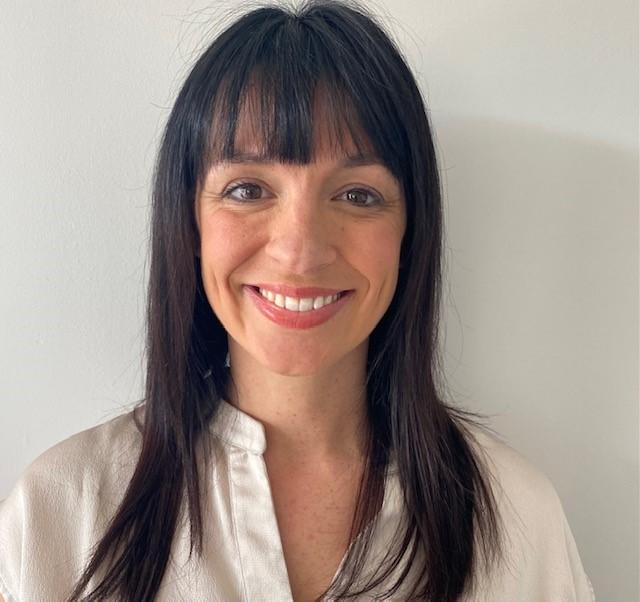
Bethany is an experienced occupational therapist living in Simcoe County. She attended the University of Toronto for her Master of Science in Occupational Therapy. She has worked with children, youth, and families across Canada, as well as providing consultation services to childcare settings, schools, and community organizations. Bethany has presented on a variety of topics over the years, from fine motor skills to the impact of screen time on early childhood development. She is particularly passionate about connecting with the world around us through mindfulness: engaging our senses to connect with our surroundings. Bethany is part of Autism Ontario’s "Subject Matter Expert" team.

Kristin Gunby, M.S., BCBA, Behaviour Analyst 

KG

Kristin is a Board Certified Behavior Analyst® (BCBA®) with over twenty years of experience supporting individuals with Autism and their families. Kristin completed her Bachelor of Arts in Linguistics at Brock University and her Master of Science in Behaviour Analysis from St. Cloud State University. Kristin has worked both privately and publicly as a clinician throughout various iterations of the Ontario Autism Program. She has also worked as an Applied Behavior Analysis Facilitator for a public-school board in Ontario. She has published studies in the Journal of Applied Behavior Analysis and Behavioral Interventions in the areas of safety skills, joint attention, and teaching presentations. Kristin is part of Autism Ontario’s newly formed “Subject Matter Expert” Team. 

Disclaimer: Opinions reflected in this webinar are those of the speaker(s) and presenter(s), and do not necessarily reflect Autism Ontario’s views. Please note Autism Ontario does not endorse any specific therapy, product, treatment, strategy, opinions, service, or individual. We do, however, endorse your right to information. Autism Ontario strongly believes that it is important to do your own research and make your own informed decisions.

Please note that as of July 1, 2024, to practice ABA in Ontario, Behaviour Analysts must be registered with the College of Psychologists and Behaviour Analysts of Ontario (CPBAO) and will be referred to as Registered Behaviour Analysts (RBAs). Individuals may use the BCBA and BCBA-D credential if they are also registered with the CPBAO.

Webinar - Mini-Series - Tackling Toilet Time: Part 2- Toileting Schedules and Self-Care Routines

Learning to use the toilet and other associated skills (e.g., self-care routines, staying dry throughout the night) can be a huge milestone for an individual and their family.

This webinar mini-series is intended to support parents and caregivers of individuals with autism who are interested in learning more about toileting and the various skills it entails, when it might be time to focus on a particular skill, who can help you with various goals, and common strategies that are used to support each toileting skill area.

Part 2- Toileting Schedules and Self-Care Routines 

This webinar will address how toileting can be supported in your everyday routines, as well as discuss self-care routines related to toileting such as dressing/undressing, wiping and handwashing.  

Additional sessions in this series:

Part 1- What to Consider Before and Throughout Your Toileting Journey

Part 3- Daytime Toilet Training

Part 4- Bedwetting and Challenging Behaviours Related to Toileting

Speaker Information:

BB

Bethany Brewin M.Sc.O.T.

Bethany is an experienced occupational therapist living in Simcoe County. She attended the University of Toronto for her Master of Science in Occupational Therapy. She has worked with children, youth, and families across Canada, as well as providing consultation services to childcare settings, schools, and community organizations. Bethany has presented on a variety of topics over the years, from fine motor skills to the impact of screen time on early childhood development. She is particularly passionate about connecting with the world around us through mindfulness: engaging our senses to connect with our surroundings. Bethany is part of Autism Ontario’s "Subject Matter Expert" team.

Kristin Gunby, M.S., BCBA, Behaviour Analyst 

KG

Kristin is a Board Certified Behavior Analyst® (BCBA®) with over twenty years of experience supporting individuals with Autism and their families. Kristin completed her Bachelor of Arts in Linguistics at Brock University and her Master of Science in Behaviour Analysis from St. Cloud State University. Kristin has worked both privately and publicly as a clinician throughout various iterations of the Ontario Autism Program. She has also worked as an Applied Behavior Analysis Facilitator for a public-school board in Ontario. She has published studies in the Journal of Applied Behavior Analysis and Behavioral Interventions in the areas of safety skills, joint attention, and teaching presentations. Kristin is part of Autism Ontario’s newly formed “Subject Matter Expert” Team. 

Disclaimer: Opinions reflected in this webinar are those of the speaker(s) and presenter(s), and do not necessarily reflect Autism Ontario’s views. Please note Autism Ontario does not endorse any specific therapy, product, treatment, strategy, opinions, service, or individual. We do, however, endorse your right to information. Autism Ontario strongly believes that it is important to do your own research and make your own informed decisions.

Please note that as of July 1, 2024, to practice ABA in Ontario, Behaviour Analysts must be registered with the College of Psychologists and Behaviour Analysts of Ontario (CPBAO) and will be referred to as Registered Behaviour Analysts (RBAs). Individuals may use the BCBA and BCBA-D credential if they are also registered with the CPBAO.

Webinar: Exploring and Engaging Autistic People’s Experiences with Applied Behaviour Analysis

This presentation is brought to you by Brock University and Western University.

To move forward as a field comprised of people who value ethics, progress, and neurodiversity-affirming practices, applied behaviour analysis (ABA) researchers and practitioners should listen to the experiences and perspectives of the community to meaningfully support Autistic people. This virtual panel is situated within a larger ABA initiative focused on improving the practice of ABA. This synchronous virtual event will allow participants the opportunity to engage with panel members. The goal is for participants to understand a sample of current ABA sentiments and ideas for progress.   

This presentation is primarily designed for Board Certified Behaviour Analysts. We welcome other professionals, persons with lived experience, caregivers of people on the spectrum, and anyone else who may be interested in this topic.

Learning Objectives:

  1. To hear and reflect on Autistic people’s stories, perspectives, and experiences about how ABA practices have influenced their lives.
  2. To discuss strategies for incorporating autistic voices to continue the betterment of ABA research and practice.

For more information on this topic, please see the additional resources attached below.

Meet our Panellists: 

Paige Layle, Panelist: Paige Layle was diagnosed with Autism Spectrum Disorder at the age of 15. It was then she was recommended ABA as her next resource for autism therapy, as it was the only free service offered for autistic children in Ontario. She quickly realized it wasn’t for her when she only felt frustrated and very, very confused. Now 23, Layle influences millions around the world on social media, where she shares her story and connects with other autistic people and their families. Paige has loved working with kids since she was 11 years old, and continues influencing the youth today as a dance teacher in Bobcaygeon. Although participating in few ABA sessions, she has spent hundreds of hours learning about behaviourism, autism, and child psychology and child development. She comes full of ideas on how to improve ABA practice, and is full of excitement to communicate and collaborate. 

Alec Pemberton, Panelist:Alec Pemberton is a practicing IBI therapist and a graduate of the Toronto Preschool Autism program (TPAS). Alec went through TPAS from 2000-2003. Since then, he has excelled in learning opportunities and has even graduated with a Behaviour Science Technician diploma. Alec has worked with children ages 5-8, teenagers aged 13-16 and adults aged 20-23 and has been in the field for almost 2 years. Alec has gone on to do presentations for ONTABA as a keynote speaker for ABAJAM in 2019 and was on a panel of ABA practitioners discussing the difficulties and learning opportunities of the COVID-19 pandemic whilst working on his diploma in 2021 and continues to help provide an autistic voice in the community. Alec has found the online reception to ABA based treatments quite odd due to his positive relationship with them and has been studying the root of the problems with ABA to help improve the lives of his clients and himself.

Elsbeth Dodman, Panelist: Elsbeth Dodman is an Autistic woman diagnosed at 14. She has been giving talks and presentations on Autism Spectrum Disorder since she was 18. Elsbeth has a post graduate certificate in Autism Behavioral Science and has worked with the Ontario Child Advocate's office on the We Have Something to Say project. Elsbeth has been on the board of the OAC and lives at home with her family. 

Phebe Palmer, Panelist: Phebe Palmer is a 24 year old Autistic and Mad (reclaimed) Disability Studies student, who has unique experience with ABA and other behaviourist interventions. Her thoughts on ABA and behaviourists are centred around abolitionist thought, restorative and transformative justice, the Mad Pride movement, and an intersectional lens. She believes very stubbornly that this is a conversation we need to have, to keep having, and to approach with radical love and honesty until we can all face each other and truly understand each “other.” It is imperative that we humanize each other if we are to be allies in advocating for liberation and belonging! Professionally, her experience is limited. She has had some experience with ABA on a volunteer basis, and it was something she had a negative reaction to and has spent the past few years seeking to find and share clarity on.  She comes only with love and hope for her community, and a desire for a holistic approach to the treatment of her Autistic comrades and their loved ones! 

Moderated By: Matt Ley Matt Ley is the current President and co-founder of The Streaming Network. Starting his career in virtual events in 2007, Matt is an industry veteran that is passionate about helping customers stand out in their industry with compelling virtual events that people want to attend. The driving ambition for Matt is that virtual events are not a utility for information distribution but an opportunity for firms to create a competitive advantage. Matt is an accomplished speaker, moderator and a sought-after thought leader.


Disclaimer: Opinions reflected in this webinar are those of the speaker(s) and presenter(s), and do not necessarily reflect the views of Autism Ontario, Brock University or Western University. Please note Autism Ontario does not endorse any specific therapy, product, treatment, strategy, opinions, service, or individual. We do, however, endorse your right to information. Autism Ontario strongly believes that it is important to do your own research and make your own informed decisions.

Young Adults with Developmental Disabilities: Barriers to Employment

This research summary focuses on how young people with developmental disabilities (DDs), like all young people, experience exciting opportunities as they move from adolescence to the demands of adulthood. Becoming an adult for the young person with a developmental disability entails exploring new interests, getting to know their community and new service workers, learning work skills and making new friends. Yet, young adults with DDs and their families experience many more challenges and barriers to achieve their goals than families of children with no disabilities.